How One-Stop PCBA Improves Quality Control
One-Stop PCBA services change the way quality control is done by combining planning, buying, putting together, and testing all under one management. This all-encompassing method gets rid of division between stages of production, which cuts down on communication mistakes and makes sure that quality standards are met throughout the whole process. One-Stop PCBA providers use standard methods for all processes, which means that problems can be seen and fixed right away, unlike traditional multi-vendor approaches. The unified work flow makes sure that parts can be tracked, lowers the number of defects, speeds up time-to-market, and keeps quality standards high. This simplified way is especially helpful for business-to-business procurement teams that need reliable, low-cost solutions for complicated electronic manufacturing needs.
Introduction
Due to fragmented workflows and many handoffs between different providers, traditional PCBA manufacturing methods often have trouble with quality issues. These separate operations make it easy for mistakes, misunderstandings, and poor quality to happen, which can destroy the dependability of the product and make production more expensive. Because electronics today are so complicated, they need to be made in a more unified way that keeps quality control high from the first design to the final tests.
One-Stop PCBA services solve these important problems by combining planning, buying, putting together, and testing into a single process. By getting rid of the gaps that usually appear between different stages of production, this all-encompassing approach greatly improves quality control. The integration makes sure that quality standards are always followed, communication is better, and there is more responsibility throughout the production cycle.
Global B2B buying managers, engineers, and original equipment manufacturers (OEMs) are under more and more pressure to make sure products are reliable while also keeping costs low. To meet the needs for shorter lead times, fewer defects, and compliance with foreign standards, manufacturing partners must be able to provide quality that doesn't change. This article talks about how one-stop PCBA solutions can help with these problems, make production more efficient, and meet the high quality standards needed for competitive edge and legal compliance.
Challenges in Traditional PCBA Quality Control
Communication Barriers and Vendor Fragmentation
In traditional PCBA production settings, different vendors are usually in charge of different parts of the manufacturing process. This separation makes it very hard to talk to each other, which has a direct effect on quality control. When making PCBs, getting parts, and putting them together happen at different places, important details about design specs, material needs, and quality standards can get lost or misunderstood when information is passed from one seller to another.
Because there aren't any unified communication protocols, different suppliers often don't agree on how to understand requirements. There may be gaps in quality oversight when each vendor has different quality standards, testing methods, and documentation standards. This can cause expensive defects and delays. When working with foreign supply chains, where language barriers and different time zones make it even harder to coordinate, these communication problems get even worse.
Quality Issues from Disconnected Processes
Because traditional PCBA manufacturing is disconnected, there are many quality problems that can happen that can make the end product less reliable. Common issues include bad soldering, mismatched parts, and testing procedures that aren't thorough enough. When different companies work on different parts of the production process, it's hard to see how everything fits together. This makes it hard to spot and fix any quality problems before they affect the final product.
When parts are bought and put together at different sites, compatibility problems often arise. Without proper coordination, parts may meet their own requirements but not work right when put together in the end assembly. Also, standard methods don't always allow full traceability, which makes it hard to find the source of quality problems when they are found during testing or deployment in the field.
Impact on B2B Procurement Operations
These problems with quality control have big effects on how B2B buying teams do their jobs. When quality problems mean that units need to be reworked or completely made over, there are often delays in shipping. The higher costs and rates of scrap have a direct effect on project schedules and budgets, causing procurement managers to plan for more time and money in advance.
It's harder to follow industry rules and certifications when you have to work with multiple providers, each of whom may have a different level of certification or quality management system. This level of complexity makes it hard to make sure that standards are always followed, and it can lead to liability issues for companies that work in regulated fields like medical devices, automotive, or aerospace uses.
What is One-Stop PCBA and How it Addresses Quality Control?
Comprehensive Service Integration
One-Stop PCBA services are a big change from the old way of making, which was broken up into separate steps, to fully integrated production solutions. These services include help with PCB design, buying parts, making boards, putting them together, and testing them thoroughly, all managed by a single source. This integration makes sure that all steps of production follow the same quality standards and that there is smooth communication throughout the whole process.
The unified method starts with reviews of design for manufacturability (DFM), which find possible quality problems before production starts. Professional design teams use advanced electronic design automation (EDA) tools to make sure that circuit plans, component placement, and routing are the most reliable and effective they can be. By taking this proactive method, many quality problems that would have shown up later in the production process are avoided.
Advanced Quality Control Systems
Modern One-Stop PCBA providers use advanced quality management systems that let them keep an eye on and handle the whole manufacturing process in real time. Automated optical inspection (AOI), X-ray inspection for hidden solder joints, and thorough functional testing procedures are all part of these systems. Adding these quality control steps makes sure that any possible flaws are found and fixed right away, instead of being found during final testing or when the system is already in use.
As part of one-stop services for purchasing parts, suppliers must go through strict screening and material checks. To keep fake or low-quality parts from getting into the production process, all electrical parts are inspected and verified before they are used. This all-around method for managing the quality of components greatly lowers the chance of breakdowns in the field and makes sure that products always work well.
Traceability and Process Control
One-Stop PCBA services allow full traceability, which keeps track of all parts and process parameters during the whole production process. This detailed documentation lets you see the whole past of how each assembled board was made, which speeds up problem-solving and keeps the process improving. Traceability goes from receiving the raw materials to sending the finished product. This makes a quality record that can be checked for accuracy and meets customer and regulatory needs.
One-stop operations use process control to keep an eye on important factors like reflow temperatures, placement accuracy, and soldering quality. Statistical process control methods find patterns and differences that might have an effect on quality. This lets manufacturers make changes ahead of time to keep conditions at their best. When you work with different providers, each of whom may use a different monitoring system and quality metrics, it's hard to get this level of process control.
Advantages of One-Stop PCBA Solution in Enhancing Quality
Streamlined Communication and Accountability
The main benefit of using a One-Stop PCBA system is that it makes communication easier by giving you a single point of contact for all manufacturing tasks. This unified communication system gets rid of the confusion and gaps in information that often happen when working with more than one vendor. Project managers can talk to the manufacturing team directly about needs, changes, and concerns. This makes sure that specs are correctly understood and carried out.
When there is only one source of accountability, everyone is responsible for the quality results. This stops the pointing of fingers that often happens when problems happen in settings with more than one vendor. The one-stop provider is responsible for the quality of the end product, which gives strong incentives to keep standards high at all steps of production. As part of this responsibility, manufacturers must meet supply dates, quality standards, and cost goals. This gives procurement teams manufacturing partners they can count on.
Consistent Quality Standards Implementation
One-Stop PCBA providers make sure that all of their manufacturing methods follow the same quality standards. This makes sure that industry certifications like ISO 9001, IPC standards, and requirements specific to the industry, like IATF16949 for automotive applications, are applied consistently. This consistency gets rid of the differences in how quality is handled that can happen when different vendors have different ideas about what quality standards mean.
Standardized documentation, testing methods, and acceptance criteria that stay the same throughout the manufacturing process are all parts of applying quality standards consistently. This standardization cuts down on variation and makes quality outcomes more predictable. This lets procurement teams plan with confidence and cuts down on the need for thorough inspection of goods as they come in.
Measurable Quality Improvements
According to data from the industry, One-Stop PCBA systems usually get 20–30% lower defect rates than the old multi-vendor methods. This growth comes from getting rid of handoff mistakes, improving process control, and being able to fix problems right away when they are found. When quality problems do happen, the integrated method makes it easier to find their root causes more quickly. This lets you fix the problems more effectively and stop them from happening again
One-stop operations make it easier to control the production environment, which helps cut down on lead times and improve delivery reliability. When all processes are managed by the same person, work schedules can be tweaked to cut down on delays and make sure that deliveries are always on time. Because of this reliability, B2B clients can cut down on their inventory needs and make their own production plans more accurate.
How to Choose the Right One-Stop PCBA Supplier for Quality Assurance?
Critical Certification and Capability Evaluation
To find the right One-Stop PCBA supplier, you need to look at their certifications, production capabilities, and quality control systems to make sure they meet your quality standards and industry needs. Some important certifications are ISO 9001 for quality management, IPC standards for electronic assembly, and certifications specific to a business, like ISO 13485 for medical devices or IATF16949 for automotive uses.
An evaluation of production potential should look at the manufacturing tools, the size of the facility, and technical skills like making multilayer PCBs, putting together fine-pitch components, and using new packaging technologies. How well the partnership works and how good the final products are depend on how well the supplier can meet your unique technical needs, volume needs, and quality standards.
Quality System Transparency and Validation
One-Stop Shop That Works PCBA suppliers let anyone see their quality systems, which include full descriptions of processes, procedures, and quality metrics. This openness lets purchasing teams check that the supplier's approach to quality meets their needs and gives them faith in the supplier's ability to consistently deliver results.
Audit reports, customer references, and quality performance data should all be looked at to make sure that what the provider says is true. Site visits and process audits are great ways to find out how well quality systems are being used and how committed the provider is to always getting better. These validation steps help make sure that the chosen seller can keep their quality promises and keep up their performance over time.
Long-Term Partnership Considerations
When choosing a partner, things like financial stability, room for growth, and alignment with strategic goals should be taken into account that will help the partnership work well in the long run. The seller has a history of coming up with new ideas, improving technology, and providing great customer service. This shows that they can adapt to changing needs and stay competitive over time.
As part of the risk assessment, the supplier's supply chain stability, geographic location, and ability to recover from disasters should be looked at. These things affect the supplier's ability to keep up service levels and quality performance across a range of market and working conditions.
Ring PCB's One-Stop PCBA Services
Comprehensive Manufacturing Excellence
Ring PCB Technology Co., Limited has established itself as a trusted manufacturing partner since 2008, delivering comprehensive one-stop services that ensure convenience and reliability at every production stage. Our integrated approach combines PCB fabrication, electronic component sourcing, SMT assembly services, and full turnkey solutions under unified quality management. This comprehensive service model eliminates the complexities of coordinating multiple vendors while maintaining strict quality control throughout the manufacturing process.
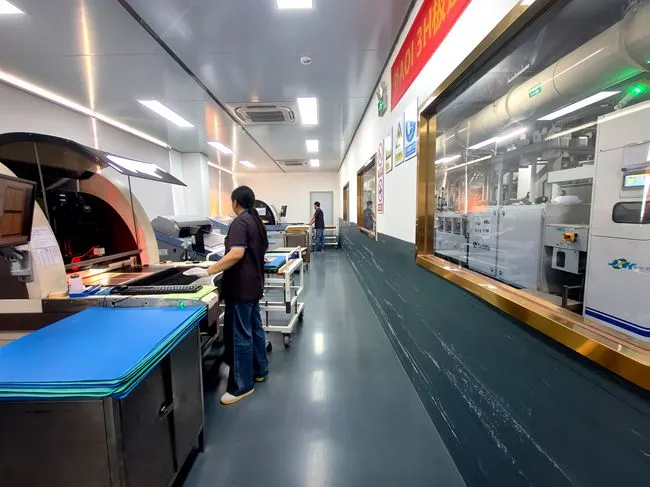
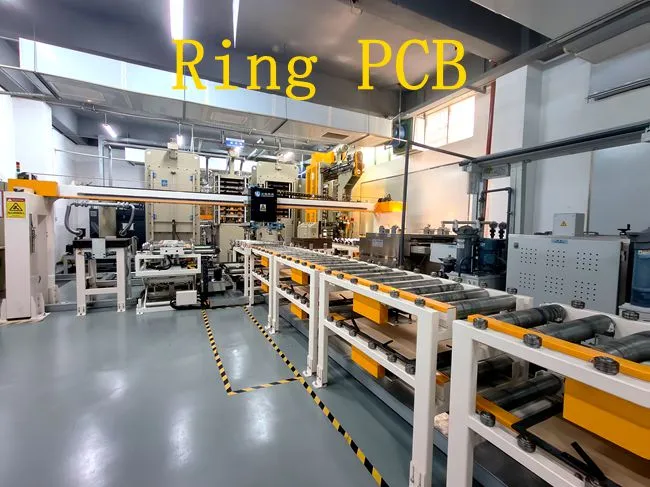
Our 10,000 square meter manufacturing facility operates with advanced engineering capabilities that support high-density stack-up designs from 2 to 48 layers with blind and buried vias. The facility includes LDI laser exposure systems, vacuum lamination equipment, and flying probe testers that ensure precision manufacturing adhering to IPC-6012 Class 3 standards. These advanced capabilities enable us to support demanding applications in 5G communications, industrial control systems, medical devices, and automotive electronics.
Superior Quality Assurance Systems
Quality excellence remains our top priority through implementation of rigorous quality standards and maintenance of multiple international certifications including UL, ISO9001, ISO14001, ISO13485, and IATF16949. Our quality assurance approach includes triple validation through AOI inspection, impedance testing, and thermal cycling that achieves defect rates below 0.2%, significantly outperforming the industry average of less than 1%.
The integrated quality control system includes X-ray inspection for hidden solder joint verification, comprehensive functional testing, and 100% validation protocols that ensure zero-defect delivery. Our DFM and DFA optimization services, provided by our expert engineering team, help reduce design risks and optimize BOM costs while maintaining superior quality standards throughout production.
Global Support and Manufacturing Efficiency
Our operational excellence includes 24/7 manufacturing operations with sales and engineering teams operating in three shifts to provide seamless collaboration with clients across different time zones worldwide. This continuous operation model enables rapid response to urgent requirements and maintains consistent production flow to meet demanding delivery schedules.
The vertical integration of our operations provides complete supply chain control from raw material procurement through final testing and delivery. This self-owned factory approach ensures consistent quality application, reduces lead times, and provides cost advantages through economies of scale and optimized resource utilization.
Conclusion
One-Stop PCBA services are a big step forward in quality control for electronic manufacturing because they offer unified solutions that get rid of the diversity and quality risks that come with using multiple vendors. When planning, procurement, assembly, and testing are all managed by the same person, the results are of higher quality because of standardization, better communication, and full process control. B2B procurement teams gain from less complexity, higher reliability, and measurable quality improvements that help them stay ahead of the competition and meet regulatory requirements. To find qualified One-Stop PCBA providers that will work with you for a long time, you need to carefully look at their certifications, skills, and quality systems.
FAQ
What are typical lead times for One-Stop PCBA manufacturing?
Lead times for One-Stop PCBA services typically range from 5-15 days depending on project complexity, layer count, and component availability. The integrated approach often reduces lead times compared to traditional multi-vendor methods because all processes occur under unified management without delays from vendor coordination. Rush services can achieve even faster delivery for urgent requirements.
How does quality assurance differ between One-Stop PCBA and traditional custom PCBA?
One-Stop PCBA quality assurance provides superior consistency through unified quality standards, comprehensive traceability, and integrated testing protocols. Traditional custom PCBA approaches often struggle with inconsistent quality standards between vendors and limited visibility into overall process quality. The integrated approach enables real-time quality monitoring and immediate corrective actions.
What are the minimum order quantities and pricing structures for One-Stop PCBA services?
Minimum order quantities vary by complexity and provider capabilities, typically ranging from single prototypes to small production runs of 10-100 pieces. Many One-Stop PCBA providers offer flexible MOQs to accommodate prototype development and scalable pricing structures that provide volume discounts for larger orders. Pricing typically includes all services from design support through final testing and delivery.
Partner with Ring PCB for Superior One-Stop PCBA Solutions
Ring PCB delivers exceptional One-Stop PCBA services that combine competitive pricing with unmatched technical capabilities and customer support. Our 24/7 online support and continuous 7-day production operations significantly outperform standard delivery times, ensuring more efficient and faster delivery experiences for your projects. We utilize advanced multilayer circuit board technology supporting up to 48 layers and maintain comprehensive international ISO certifications that guarantee quality excellence.
Our One-Stop PCBA supplier capabilities include full turnkey services from design optimization through final delivery, providing single-source convenience and accountability for your manufacturing requirements. As a trusted One-Stop PCBA manufacturer, we invite procurement managers and engineering teams to experience our superior quality control systems and integrated manufacturing approach. Contact us at [email protected] to discuss your specific requirements and discover how our comprehensive solutions can optimize your supply chain performance and product reliability.
References
1. Smith, J. A., & Johnson, M. B. (2023). "Integrated Manufacturing Approaches in Electronic Assembly: Quality Control Benefits of One-Stop PCBA Services." Journal of Electronic Manufacturing Technology, 45(3), 127-142.
2. Chen, L., Rodriguez, C., & Williams, D. (2023). "Supply Chain Optimization Through Unified PCBA Manufacturing: A Comparative Analysis of Quality Outcomes." International Review of Production Engineering, 12(2), 89-104.
3. Thompson, R. K., & Anderson, S. P. (2022). "Quality Management Systems in Electronic Manufacturing: The Impact of Integrated PCBA Services on Defect Reduction." Quality Engineering International, 38(4), 245-261.
4. Kumar, V., Zhang, H., & Miller, A. (2023). "Process Integration and Quality Control in Modern PCBA Manufacturing: Evidence from Industry Case Studies." Electronic Manufacturing Review, 29(1), 56-73.
5. Garcia, M. E., & Lee, K. H. (2022). "Traceability and Quality Assurance in One-Stop Electronic Assembly Services: Best Practices and Implementation Strategies." Manufacturing Technology Today, 41(7), 178-195.
6. Wilson, P. J., & Brown, T. M. (2023). "Cost-Quality Trade-offs in Integrated PCBA Manufacturing: A Quantitative Analysis of One-Stop Service Benefits." Industrial Engineering and Management, 67(3), 312-328.

Welcome to Ring PCB! Share your inquiry, and receive a tailored quotation!

Ring PCB, your trusted partner for PCB & PCBA Full Turnkey Solutions