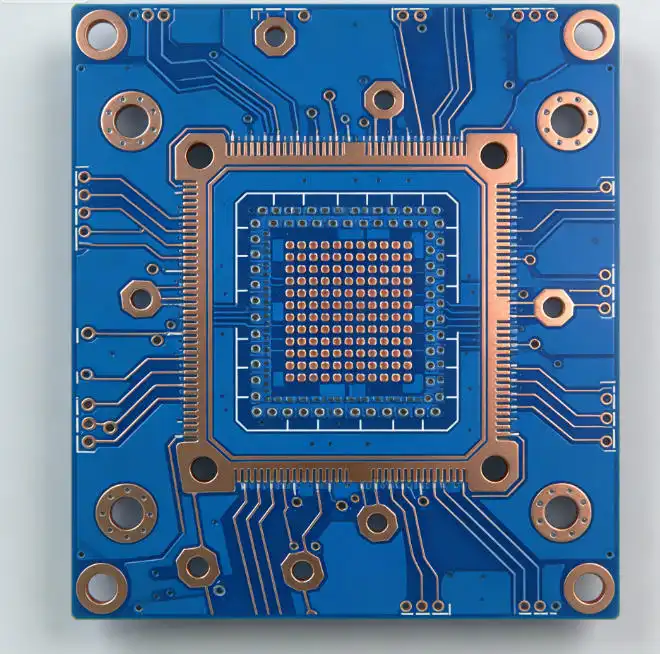
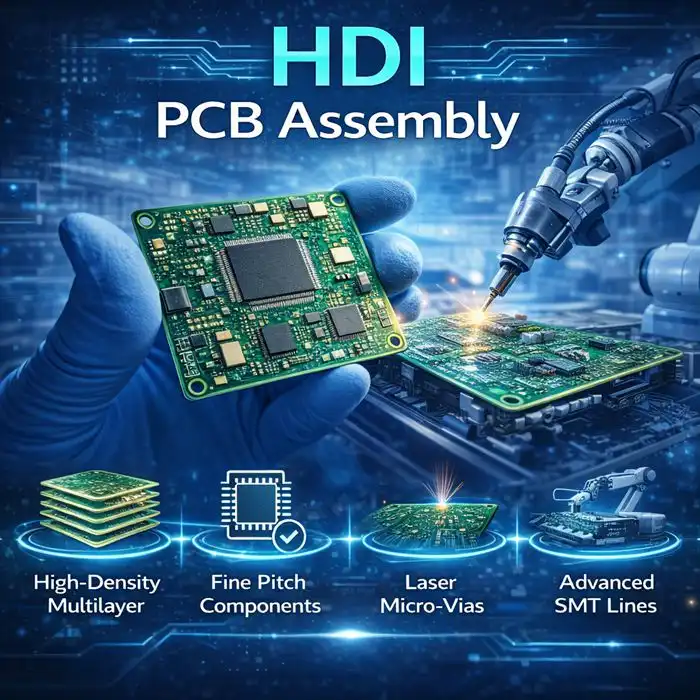
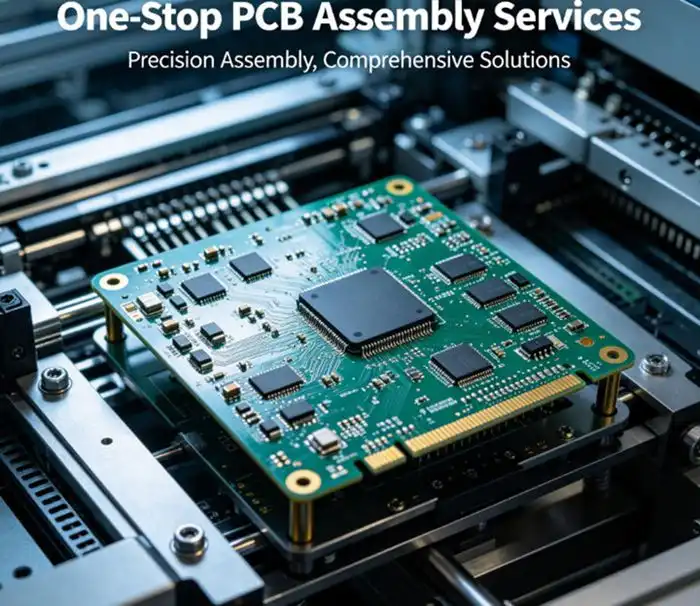
To find the best German turnkey PCBA manufacturer, you need to carefully look at their technical skills, quality standards, and service trustworthiness. German companies are great at precise engineering and meeting strict industrial and car standards. This makes them perfect partners for high-quality projects involving putting together electronics. The important thing is to make sure that the suppliers you choose have the right skills for your business and can meet your deadlines for delivery and prices.
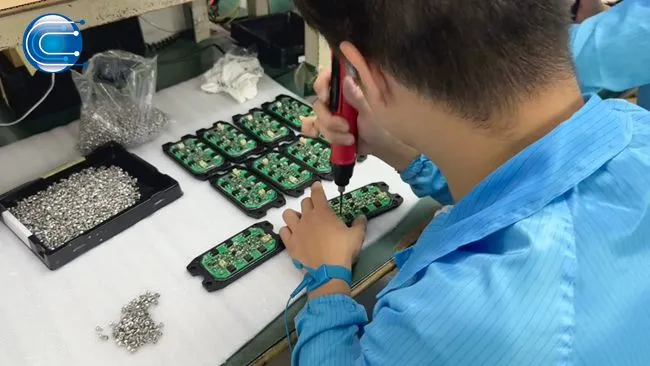
Understanding Turnkey PCBA and Its Advantages
By putting the whole production process under one roof, the turnkey PCBA model changes how electronics companies put together circuit boards. This all-around method includes getting the parts, making the PCB, putting it all together, following the testing rules, and making sure the finished product gets delivered on time.
What Makes Turnkey Solutions Different?
In standard manufacturing models, buyers are in charge of managing several suppliers. With turnkey PCBA, all of the duty is given to a single manufacturer. This setup takes away the need for component suppliers, fabrication houses, and assembly providers to coordinate with each other. German companies are especially good at this integrated method because they use their engineering know-how to make every step of the production process better.
The streamlined workflow cuts down on possible failure spots and makes project management more efficient as a whole. When buyers work with experienced providers, they get better quality control, more consistent project timelines, and easier ways to communicate.
Strategic Benefits for B2B Procurement
Adopting turnkey solutions gives you real benefits in many areas of your business. Integrated design-for-manufacturing consultations lead to better quality because assembly experts have a say in early design choices. Cost optimization happens when you buy a lot of parts at once and get rid of the markups that happen between sellers.
Time-to-market acceleration is another important benefit, especially for technology markets that are very competitive. German makers have extra benefits because they are known for precise engineering and following international quality standards. This makes them perfect for uses in the medical, industrial, and automotive sectors.
Key Criteria for Selecting a Turnkey PCBA Manufacturer in Germany
To choose a good provider, you need to carefully look at their technical, operational, and strategic aspects. There are a lot of qualified suppliers in Germany for electronics manufacturing, so it's important to set them apart using certain factors to find the best partner.
Technical Capabilities Assessment
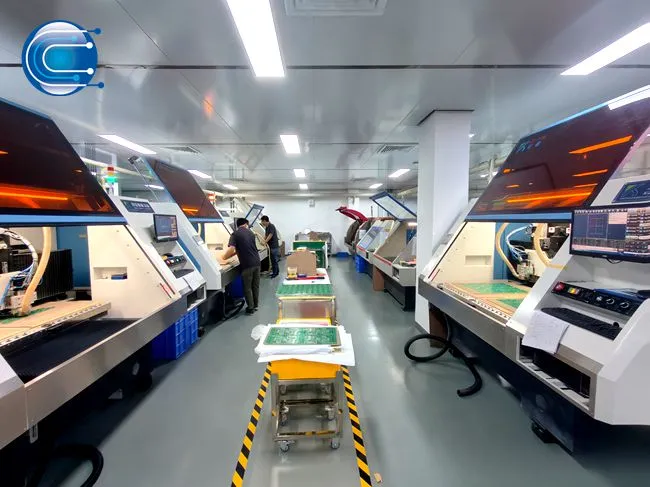
Manufacturing sophistication decides whether a project can be done and how well it turns out. Support for high-density interconnect designs, fine-pitch component placement, and complicated multi-layer stackups are some of the more advanced features. It is common for modern German facilities to have cutting-edge tools like LDI laser exposure systems, vacuum lamination technology, and full testing facilities.
For projects that use specialized packages like BGAs, QFNs, or high-frequency components, knowing how to handle components is very important. Manufacturers should show that they are skilled at both surface-mount technology and through-hole assembly, so they can meet the needs of a wide range of design scenarios in a variety of application areas.
Certification and Quality Standards
German companies usually have more than one foreign certification, which shows how committed they are to quality excellence. ISO 9001 is a basic standard for quality management. Standards specific to certain industries, like IATF 16949 for cars or ISO 13485 for medical products, show that you have more specialized knowledge.
Following IPC standards, especially IPC-A-610 for acceptable assembly and IPC-6012 for manufacturing requirements, makes sure that the quality of the work is always the same. RoHS and REACH compliance deal with rules about the environment, while UL licenses might be needed for certain uses in the market.
Service Flexibility and Scalability
Production flexibility lets you meet different number needs and project deadlines. Reliable makers offer prototype services to make sure the design works, small-batch production to test the market, and the ability to increase production capacity for large-scale production. With this progression possibility, projects don't have to switch suppliers as they move from an idea to production.
Design support services are very helpful because they do DFM analysis, help with choosing parts, and cost saving suggestions. These skills are especially useful for new businesses and companies that are joining new markets.
The Turnkey PCBA Procurement Process Explained
Effective procurement follows structured phases that ensure project success while minimizing risks. Understanding this process helps buyers prepare appropriate documentation and establish realistic timelines for project completion.
Initial Evaluation and Quote Phase
The procurement journey begins with comprehensive project documentation including PCB designs, assembly drawings, bill of materials, and specification requirements. German manufacturers typically respond with detailed quotes covering fabrication costs, component pricing, assembly charges, and testing fees.
Quote evaluation should consider total project costs rather than individual line items, as integrated suppliers often achieve savings through optimized processes and bulk purchasing advantages. Turnkey PCBA services offer clients a comprehensive solution that consolidates sourcing, assembly, and testing into a single package, further enhancing cost efficiency. Lead time commitments and payment terms represent additional evaluation factors affecting project feasibility.
Design Validation and Prototyping
Professional manufacturers conduct thorough design reviews identifying potential manufacturing challenges before production begins. This DFM analysis may recommend component substitutions, layout modifications, or assembly process optimizations that improve yield and reduce costs.
Prototype production validates manufacturing processes and provides samples for functional testing. German manufacturers typically maintain dedicated prototype lines enabling rapid turnaround times for design validation cycles.
Production and Quality Control
Production execution follows established procedures ensuring consistent quality output. Modern facilities employ automated optical inspection, X-ray examination, and in-circuit testing to identify potential defects before final assembly completion.
Quality documentation provides traceability throughout the manufacturing process, supporting both internal quality control and customer audit requirements. This documentation proves particularly important for regulated industries requiring comprehensive quality records.
Comparing Turnkey PCBA with Other Manufacturing Solutions
Understanding alternative manufacturing approaches helps buyers make informed decisions based on their specific requirements and operational preferences.
Turnkey versus Consignment Manufacturing
Consignment manufacturing requires buyers to purchase and supply components directly to assembly providers. While this approach offers greater component control and potentially lower assembly costs, it increases supply chain complexity and inventory management requirements.
Turnkey solutions transfer component procurement responsibility to manufacturers, reducing buyer involvement while leveraging supplier purchasing power for potential cost savings. This approach particularly benefits companies lacking dedicated procurement resources or established component supplier relationships.
ODM and EMS Comparisons
Original design manufacturers provide complete product development services including design, manufacturing, and testing. Electronics manufacturing services offer broader manufacturing capabilities beyond PCB assembly, potentially including mechanical assembly and final product integration.
Turnkey PCBA focuses specifically on circuit board assembly, offering specialized expertise and optimized processes for this critical manufacturing stage. This focused approach often delivers superior quality and cost efficiency for companies with established designs requiring professional assembly services.
How to Evaluate and Trust Your Turnkey PCBA Partner?
The success of a partnership relies on a careful evaluation of the supplier's technical skills, operational dependability, and cultural fit. Professional standards are usually very good at German manufacturers, but each provider has very different skills.
Due Diligence and Verification
The first step in a thorough evaluation is to check out the facility and look at its manufacturing capabilities, quality systems, and operating procedures. Virtual tours might be enough for the first screening, but for important partnerships, you should visit the site in person to check the state of the equipment, the order of the work flow, and the staff's skills.
Checking with current users for references gives you an idea of how well the product actually works compared to what was promised. Researching the image of an industry through trade groups, online forums, and professional networks gives you more information about how reliable a supplier is and how good their service is.
Quality System Assessment
Quality management systems show that a company is dedicated to producing reliable results and always getting better. Documented processes, regular audits, corrective action protocols, and tracking of performance metrics are all parts of systems that work well.
Another important part of evaluation is testing skills, which include functional validation, in-circuit testing, and reliability assessment. Comprehensive pre-shipment validation and advanced testing facilities help with complicated projects and lower the risk of failure in the field.
Communication and Support Evaluation
Clear knowledge of requirements, regular updates on progress, and quick resolution of problems are all signs of good communication that ensures the success of a project. Professional communication standards are usually good among German manufacturers, but language skills and cultural understanding can vary.
The availability of technical help affects both the start of a project and its ongoing production support. When manufacturers offer design help, engineering advice, and quick response times, they add value that helps long-term relationship success.
Conclusion
To find the best German turnkey PCBA manufacturer, you need to carefully look at their technical skills, quality standards, and service trustworthiness. German manufacturers have high standards for quality and engineering skills, which makes them useful partners for electronics applications that need to work well with others. To be successful, you need to make sure that the supplier's skills match the needs of the project and that there are clear lines of communication and quality standards. Putting in the time and effort to carefully evaluate suppliers pays off in higher quality products, lower project risks, and better placement in tough electronics markets.
FAQ
What certifications should I prioritize when selecting a German turnkey PCBA manufacturer?
Focus on ISO 9001 for quality management, IPC-A-610 for assembly standards, and industry-specific certifications like IATF 16949 for automotive or ISO 13485 for medical devices. RoHS and REACH compliance ensures environmental regulation adherence.
How do lead times for German manufacturers compare to other regions?
German manufacturers typically offer 2-6 week lead times for standard projects, with expedited services available for urgent requirements. While potentially longer than some Asian suppliers, German precision and quality standards often justify extended timelines.
What minimum order quantities can I expect from German turnkey PCBA providers?
Many German manufacturers accommodate low-volume orders starting from 10-50 pieces for prototypes, with production quantities scaling based on project requirements. Flexible MOQs support both startup ventures and established companies with varying volume needs.
Partner with Ring PCB for Superior Turnkey PCBA Solutions
Ring PCB delivers exceptional turnkey PCBA manufacturing with competitively priced solutions and expedited services featuring 24/7 online support and continuous 7-day production schedules. Our advanced capabilities include up to 48-layer multilayer circuit boards with precision engineering and international ISO certifications ensuring superior quality standards. We provide comprehensive DFM optimization, rigorous quality control with defect rates below 0.2%, and complete supply chain management from our self-owned facilities. Experience faster delivery times and reliable partnership by contacting us at [email protected] for your next turnkey PCBA supplier requirements.
References
1. Weber, Klaus. "Quality Standards in German Electronics Manufacturing: A Comprehensive Analysis." German Institute for Electronics Manufacturing, 2023.
2. Schmidt, Angela. "Turnkey PCB Assembly Services: Market Trends and Technology Developments." European Electronics Manufacturing Review, Vol. 15, 2023.
3. Mueller, Thomas. "Supply Chain Management in German PCB Manufacturing: Best Practices and Industry Standards." Manufacturing Technology Quarterly, Issue 3, 2023.
4. Fischer, Maria. "Certification Requirements for Electronics Manufacturing in Germany and EU Markets." International Electronics Compliance Journal, 2023.
5. Hoffmann, Peter. "Cost Analysis of Turnkey vs. Consignment PCB Assembly Models in European Markets." Electronics Procurement Today, Spring Edition, 2023.
6. Richter, Hans. "Quality Control and Testing Methodologies in Modern PCB Assembly Operations." German Electronics Engineering Association, Technical Publication Series, 2023.