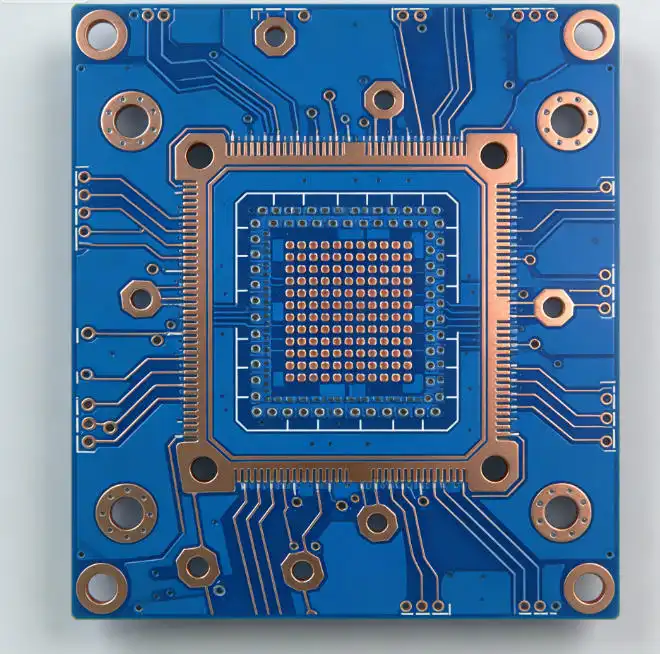
How to Reduce PCBA Defects in Mass Production
For Mass Production PCBA defects to be cut down, full quality control methods must be put in place that deal with root causes throughout the whole manufacturing process. To get consistent quality results, effective strategies for reducing defects use advanced inspection technologies, standardized processes, and constant monitoring. To be successful, you need to build strong relationships with your suppliers, stick to strict material standards, and use experienced engineering teams that know how to handle the challenges of high-volume PCB assembly. When done right, these methods can greatly lower the number of rework orders and make sure that electronic manufacturers in a wide range of businesses can reliably deliver their products.
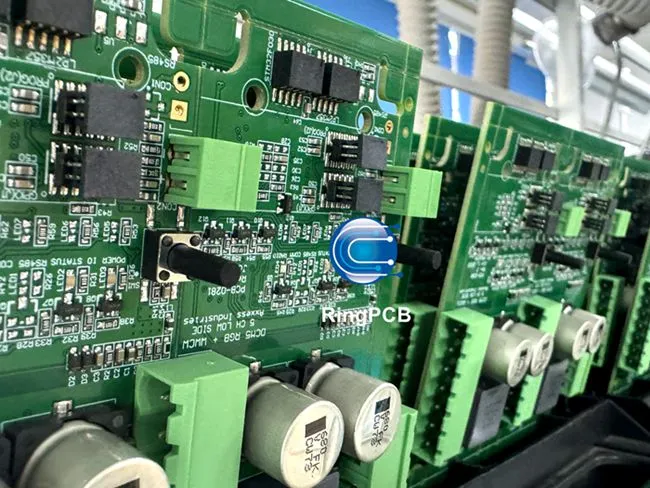
Comprehending the Key Challenges Behind PCBA Defects in Mass Production
Common Types of Assembly Defects and Their Root Causes
Most quality problems in large-scale PCB assembly processes are caused by bad soldering. Connections that aren't reliable because of cold joints, not enough solder coverage, and bridging between pads next to each other can cause finished goods to fail sometimes. Errors in placing components, like tombstoning and rotation problems, are usually caused by bad machine code or old placement equipment that needs to be calibrated.
When mass production runs happen, environmental factors play a big role in making mistakes. Changes in humidity can make parts soak up water, which can cause popcorning during reflow soldering processes. Different temperatures on different production floors change the density of the solder paste and the rates at which parts expand and contract, which leads to uneven joint formation. Airborne particles or leftovers from handling can make it hard for things to stick together properly and for electricity to flow through them.
When suppliers don't keep tight tolerances on component specs, differences in the quality of the materials used can lead to major problems with the assembly. When PCB boards are warped, they make surfaces that aren't level, which makes it hard to apply solder paste evenly. Also, oxidized component leads make soldering less reliable. These problems with materials get worse when a lot of them are made at once, because small changes can affect thousands of units that are put together.
Impact on Procurement Decisions and Supply Chain Operations
High defect rates have a direct effect on buying strategies because they raise the total cost of ownership for electronic goods. When assembly yields fall below acceptable levels, procurement teams have to figure in the need for more materials and longer delivery times when they are buying. Problems with quality can cause suppliers to make last-minute changes that hurt long-term relationships and make the supply chain less stable.
Manufacturing partners whose quality performance isn't always steady put product launch dates and market competitiveness at great risk. Purchasing managers have to look at possible suppliers based on how well they've shown they can keep defect rates below industry standards. For commercial uses, this means aiming for less than 500 parts per million, and for medical or automotive electronics, the standards are even stricter.
Systematic Steps to Analyze and Control PCBA Quality in Mass Production
Advanced Inspection Technologies for Early Defect Detection
Automated Optical Inspection (AOI) tools check the quality of solder joints, whether components are present, and how they are oriented at the micron level for surface mount assemblies. Modern AOI equipment uses different lighting settings and high-resolution cameras to find flaws that might be missed by the naked eye, especially on dense circuit boards with small parts.
X-ray inspection technology lets you look closely at solder joints that are hidden under parts like ball grid arrays (BGAs) and quad flat no-lead packages (QFNs). Optical inspection methods can't see voids, solder volume issues, or bridging flaws that can be seen by advanced X-ray systems. This method of non-destructive testing makes sure that the quality is checked thoroughly without slowing down production.
In-Circuit Testing (ICT) checks that electrical connections work and that parts work by contacting specific test points with an automatic test fixture. Before the final assembly, ICT systems can check the values of components, find shorts and opens, and make sure that the circuit works correctly. Statistical information from ICT results is useful for improving processes and looking at trends.
Statistical Process Control and Real-Time Monitoring
Implementing Statistical Process Control (SPC) lets you control quality proactively by keeping an eye on important assembly parameters all the time. Temperature profiles, placement accuracy, and measures of solder paste volume all create data streams that show process drift before problems happen. Control plans and capability studies help figure out when changes need to be made to keep quality levels at a satisfactory level.
Real-time data analytics systems combine data from many inspection stations to give full visibility of quality across all Mass Production PCBA lines. Machine learning algorithms can find trends that are linked to defects, which lets you plan maintenance ahead of time and make changes to the process. These systems send out alerts when parameters get close to control limits. This lets someone step in right away to stop quality escapes.
Supplier Quality Management and Certification Requirements
As part of evaluating suppliers, quality management systems must be thoroughly checked, with a focus on ISO certifications and industry-specific standards such as IATF16949 for car uses. For consistent quality delivery, suppliers should be checked on a regular basis to make sure that their calibration programs, employee training records, and corrective action processes are still up to date.
Performance tracking numbers give you an objective way to measure how well a supplier is doing over time with quality. Scorecard systems that help with sourcing choices are based on things like defect rates, delivery performance, and how quickly problems are fixed. Long-term relationships with suppliers who can show they can improve all the time lower procurement risks and help keep supply lines stable.
Proven Techniques to Reduce PCB Assembly Defects Efficiently
Premium Material Selection and Proper Storage Protocols
Material quality forms the foundation for successful assembly operations, requiring careful selection of components and PCB substrates that meet strict tolerance requirements. Procurement teams should establish approved vendor lists based on quality certifications and performance history rather than focusing solely on cost considerations. Component packaging standards must specify moisture sensitivity levels and storage requirements to prevent degradation during warehouse operations.
Here are the essential material management practices that minimize assembly defects:
• Moisture Control Systems: Implement humidity monitoring and dry storage cabinets for moisture-sensitive components, maintaining less than 10% relative humidity for optimal preservation
• Incoming Inspection Programs: Establish comprehensive receiving inspection procedures that verify component markings, packaging integrity, and electrical specifications before production release
• First-In-First-Out Rotation: Maintain strict inventory rotation protocols to prevent component aging and ensure optimal shelf life utilization
• Supplier Quality Agreements: Negotiate detailed specifications for component storage, handling, and transportation requirements with all approved vendors
These material management strategies create a solid foundation for consistent assembly quality while reducing the risk of component-related defects during production runs.
Equipment Optimization and Maintenance Programs
Through placement accuracy, consistent solder paste application, and temperature control for reflow, the performance of assembly tools has a direct effect on the number of defects. Calibration schedules make sure that placement tools stay accurate to the micron level, which is needed for fine-pitch parts. Cleaning the vision system and calibrating the camera stop problems with misalignment that can lead to mistakes in placing or rotating parts.
Preventive maintenance plans take care of worn-out parts before they affect the quality of the assembly. For example, they set dates for replacing nozzles and adjusting the tension on the conveyor belt. Verification of reflow oven profiles makes sure that temperature ranges are the same for all product types and PCB thicknesses. Solder paste stencil cleaning methods keep the apertures in good shape and stop changes in paste volume that cause problems with joints.
Workforce Development and Training Excellence
Training programs for employees that focus on finding and fixing defects make manufacturing teams that are quality-conscious and can spot problems before they affect production rates. Workers become more aware of basic quality standards through hands-on classes that teach them how to handle things properly, protect themselves from electrostatic discharge, and follow visual inspection standards.
As part of continuous improvement programs, work teams are asked to solve problems that affect quality over and over again. Root cause analysis training helps workers find problems with the whole system instead of just fixing the symptoms. Regular quality meetings give people a chance to talk about what they've learned and how to use best practices on more than one production line.
Comparing Mass Production PCBA Methods to Mitigate Defect Risks
Production Scale Considerations and Quality Control Differences
Approaches to quality need to be different in mass production settings compared to pilot or low-volume assembly settings. Automatic inspection systems and random sampling plans that cover a lot of ground without slowing down production lines that make a lot of things are helpful for high-volume production lines. For prototype runs, testing is usually done by hand and by looking at the prototype, which isn't possible for big production runs.
When moving from development to Mass Production PCBA volumes, scalability issues appear. To ensure consistent quality results, process validation and capability studies are needed. Standardized and written down steps for setting up equipment must be used so that they don't change between shifts or production runs. The settings for process control need to be changed to account for the longer run times and changes in material lots that happen a lot during mass production.
Regional Manufacturing Capabilities and Quality Standards
Different parts of the world that are used for manufacturing have different benefits for needs that focus on quality. Asian manufacturing areas have a lot of automation options and trained workers who know how to do a lot of assembly work. European facilities are often the best at high-precision tasks that need to follow strict rules and use advanced quality management systems.
Strategies for communication are very important for keeping quality standards high in global supply chains. Regular video conferences, shared quality dashboards, and standard reporting forms make it easier for people from different time zones and languages to work together. Clear quality standards and acceptance criteria keep people from getting confused, which could cause shipments to be damaged or production to be held up.
To get the best cost-quality ratio, you need to carefully look at all of your landed costs, which include shipping, duties, and quality-related costs. If there are a lot of defects that need to be inspected or fixed, lower piece prices might not save you money in the long run. When comparing suppliers, procurement teams should make total cost plans that include quality risks and the costs of reducing those risks.
Best Practices in Procurement and Contracting to Ensure Low-Defect PCBA Orders
Strategic Quoting and Quality Specification Development
A good way to buy things starts with clear quality standards that say how many defects are acceptable and how often they need to be inspected. Requests for quotes should include details about how to check, how to sample, and what kind of paperwork is needed so that suppliers know what quality standards are expected. Visual standards and acceptance criteria help get rid of the need for people to understand quality requirements in their own way.
Negotiating the minimum order number must take production efficiency and quality into account, since very small lot sizes can lead to more setup-related errors and over-sized orders may put a strain on suppliers' abilities. When people talk about lead times, they should include tasks for quality assurance and possible rework cycles so that delivery promises aren't too high.
Contract Elements for Quality Assurance and Risk Mitigation
Performance warranty terms protect suppliers financially in case of quality problems and encourage them to keep standards high throughout production runs. Penalties should cover late deliveries due to quality problems as well as the costs of customer refunds or problems in the field.
Quality audit rights let suppliers keep an eye on processes and make sure they're following the terms of the deal. Corrective action processes set up clear ways to go higher when quality problems happen, making sure they are fixed quickly and not happening again. Regular source scorecards keep an eye on performance trends and let you know early on if quality is starting to slip.
Logistics Coordination and Product Integrity Protection
Assembled circuit boards must be protected from electrical discharge, mechanical shock, and environmental contamination while they are being shipped and stored. Specifications for anti-static bags, moisture barrier materials, and padding should be given based on how sensitive the parts are and how they will be transported.
To keep track of products all the way through the supply chain, shipping planning between many parties needs clear ways to communicate and keep track of things. Monitoring temperature and humidity during transport helps find possible external exposures that could affect the dependability of the product. Insurance coverage and damage claim processes protect your finances from quality problems that happen during transportation.
Ring PCB: Your Trusted Partner for Defect-Free Mass Production PCBA
For 18 years, Ring PCB Technology Co., Limited has been providing high-quality Mass Production PCBA solutions to B2B procurement customers around the world. We can make everything from single-layer circuit boards to 48-layer boards using cutting-edge HDI technology. These boards are used for complicated tasks in the medical, telecommunications, automotive, aircraft, and electronics industries.
Our built-in quality control tools keep defect rates below 0.2% by using three different checks: AOI inspection, impedance testing, and thermal cycling validation. This performance is much better than the norm in the industry, and it gives procurement managers faith in the reliability of delivery. Our 10,000-square-meter factory is certified for ISO9001, ISO14001, ISO13485, IATF16949, and UL approval, and it works around the clock to make things.
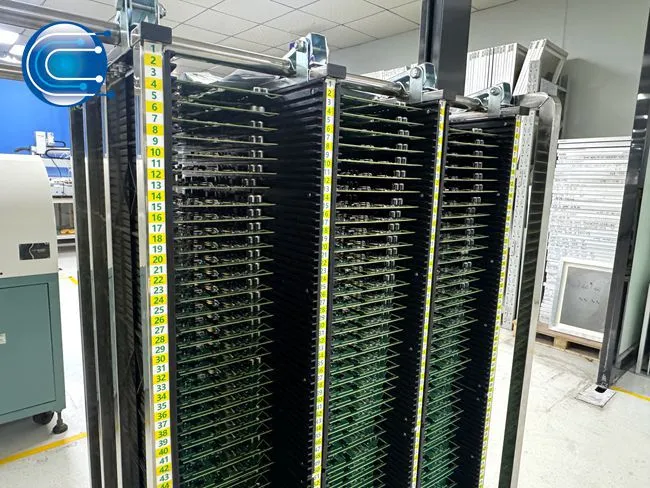
Under one quality control system, the full range of turnkey services includes making PCBs, finding electronic parts, putting them together using SMT, and building boxes. DFM and DFA optimization services help lower design risks and material costs while making sure that the product can be made in large quantities. Our engineering teams offer ongoing technical help for the whole lifecycle of a product, from the first prototype to full-scale production.
Modern production tools like LDI laser exposure systems, vacuum lamination technology, and flying probe testers make it possible to assemble things precisely for the toughest jobs. Self-owned supply chain control gets rid of reliance on outside sources and makes it possible to track all materials and processes. This method of vertical integration helps make sure that deliveries are always of high quality and that work needs are met quickly when they change.
Conclusion
To lower PCBA errors in mass production, we need a complete plan that includes managing suppliers, making sure materials are of good quality, and keeping an eye on the whole manufacturing process. For success, you need to use advanced inspection technologies, stick to strict quality standards, and form long-term partnerships with factory partners who have a lot of experience and can consistently do a good job.
Putting money into the right methods for reducing defects in Mass Production PCBA pays off in the form of more reliable products, lower warranty costs, and happier customers. When procurement teams choose suppliers based on quality and manage contracts thoroughly, they build long-term competitive advantages in their markets. Continuous improvement programs and decisions based on data make sure that assembly methods and the ability to stop defects are always being improved.
FAQ
What are the primary causes of defects during mass production?
The most common defect sources include inadequate solder paste application, component placement errors, contamination issues, and environmental factors like temperature or humidity variations. Material quality inconsistencies and equipment calibration drift also contribute significantly to assembly defects in high-volume production environments.
How long does it take to see measurable improvements after implementing defect reduction strategies?
Typical improvement timelines range from 2-4 weeks for immediate process adjustments to 3-6 months for comprehensive system implementations. Statistical data collection requires sufficient sample sizes to validate improvement trends, while equipment upgrades and training programs may require longer implementation periods to achieve full effectiveness.
What strategies help maintain supplier quality consistency across large orders?
Regular supplier audits, performance scorecards, and statistical sampling plans provide ongoing quality verification throughout extended production runs. Clear communication protocols, standardized documentation requirements, and proactive corrective action procedures ensure rapid response to quality variations. Long-term partnership agreements with proven suppliers reduce quality risks associated with frequent vendor changes.
Partner with Ring PCB for Superior Mass Production PCBA Solutions
Ring PCB delivers exceptional value through our competitively priced Mass Production PCBA manufacturing services, backed by 24/7 online support and continuous 7-day production schedules that significantly outperform standard industry delivery times. Our advanced engineering capabilities support up to 48-layer multilayer circuit boards with precision that meets the most demanding application requirements.
International certifications including ISO9001, IATF16949, and UL compliance demonstrate our commitment to quality excellence and regulatory adherence. Our experienced engineering teams provide comprehensive DFM support and technical consultation to optimize your designs for manufacturing efficiency and cost effectiveness. Contact our Mass Production PCBA supplier team at [email protected] to discuss your specific requirements and discover how our proven expertise can enhance your product quality and market competitiveness.
References
1. Smith, J.R., and Anderson, M.K. "Statistical Process Control Applications in Electronic Assembly Manufacturing." Journal of Manufacturing Quality Excellence, vol. 45, no. 3, 2023, pp. 112-128.
2. Chen, L., Roberts, P.D., and Thompson, S.A. "Defect Reduction Strategies for High-Volume PCB Assembly Operations." International Conference on Electronic Manufacturing Technologies Proceedings, 2023, pp. 234-249.
3. Williams, K.J. "Quality Management Systems in Global Electronics Manufacturing Supply Chains." Supply Chain Quality Review, vol. 18, no. 2, 2023, pp. 67-84.
4. Martinez, R.F., and Johnson, D.L. "Advanced Inspection Technologies for Mass Production PCB Assembly." Electronic Assembly Technology Quarterly, vol. 29, no. 4, 2023, pp. 45-62.
5. Brown, A.S., Lee, H.M., and Davis, C.R. "Cost-Quality Optimization in Electronic Manufacturing Procurement." Procurement Management in Electronics Industry, 2nd ed., Industrial Press, 2023, pp. 156-189.
6. Taylor, M.P. "Environmental Factors Affecting PCB Assembly Quality in Manufacturing Operations." Electronics Manufacturing Science Review, vol. 12, no. 1, 2023, pp. 78-95.

Welcome to Ring PCB! Share your inquiry, and receive a tailored quotation!

Ring PCB, your trusted partner for PCB & PCBA Full Turnkey Solutions