Comprehending ICT and FCT Testing Methodologies
In-Circuit Testing (ICT) and Functional Circuit Testing (FCT) are two primary methods used in the PCB assembly and testing process. Each approach offers distinct advantages and addresses different aspects of board validation.
In-Circuit Testing (ICT) Overview
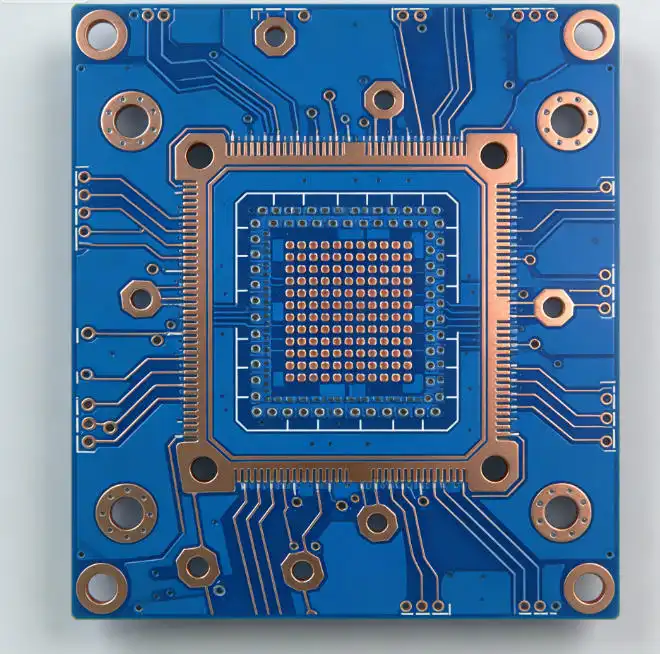
ICT is a powerful technique that scrutinizes individual components and their connections on a PCB. This method utilizes a bed-of-nails fixture to make contact with numerous test points simultaneously. ICT excels at identifying manufacturing defects such as short circuits, open circuits, and incorrect component values. It's particularly effective for high-volume production where rapid, automated testing is essential.
Key benefits of ICT include:
- High-speed testing capabilities
- Precise fault localization
- Ability to detect subtle defects
- Reduced need for manual inspection
However, ICT has limitations. It requires significant upfront investment in fixtures and may struggle with testing complex, densely packed boards or those with limited access to test points.
Functional Circuit Testing (FCT) Explained
FCT Testing, on the other hand, evaluates the overall functionality of a PCB by simulating real-world operating conditions. This method verifies that the assembled board performs its intended functions correctly. FCT often involves applying power to the board and running it through various operational scenarios.
Advantages of FCT include:
- Validation of complete circuit functionality
- Detection of issues that may not be apparent in static tests
- Flexibility to adapt to different board designs
- Ability to catch system-level integration problems
FCT's main drawback is that it may not pinpoint specific component-level faults as accurately as ICT. Additionally, designing comprehensive functional tests can be time-consuming and complex for sophisticated boards.
Factors Influencing the Choice Between ICT and FCT
Several critical factors come into play when deciding between ICT and FCT for your PCB testing needs. Understanding these elements will help you make an informed decision that aligns with your project goals and constraints.
Production Volume and Cost Considerations
The scale of your production run significantly impacts the testing method selection. For high-volume manufacturing, ICT often proves more cost-effective in the long run due to its speed and automation capabilities. The initial investment in ICT equipment and fixtures can be substantial, but it pays off with faster testing times and reduced labor costs over large production runs.
Conversely, FCT may be more suitable for low to medium volume production or prototype runs. Its flexibility and lower upfront costs make it an attractive option for smaller batches or frequently changing designs. However, FCT can become time-consuming and labor-intensive for high-volume scenarios.
Board Complexity and Design Constraints
The intricacy of your PCB design plays a crucial role in determining the most appropriate testing method. Highly complex boards with densely packed components or multi-layer constructions may pose challenges for ICT due to limited access to test points. In such cases, FCT Testing might be the preferred choice as it doesn't rely on physical contact with every component.
However, advancements in ICT technology, such as flying probe testers, have improved its capability to handle complex designs. These innovations allow for greater flexibility in testing intricate boards without the need for custom fixtures.
Fault Detection Requirements
The types of defects you need to identify will influence your testing strategy. ICT excels at detecting manufacturing defects like solder bridges, open circuits, and wrong component values. It's particularly effective for catching issues that arise during the assembly process.
FCT, on the other hand, is superior at identifying functional issues that may not be apparent through static testing. It can uncover problems related to timing, signal integrity, and overall system performance. For projects where ensuring the final product's functionality is paramount, FCT provides valuable insights.
Integrating ICT and FCT for Comprehensive Quality Assurance
While choosing between ICT and FCT is often necessary, many manufacturers opt for a hybrid approach that combines the strengths of both methodologies. This integrated strategy offers a more thorough testing process, enhancing overall quality assurance.
Benefits of a Combined Approach
Implementing both ICT and FCT in your testing workflow can provide several advantages:
- Comprehensive defect coverage: ICT catches manufacturing defects, while FCT verifies overall functionality.
- Reduced escape rate: The combination minimizes the chances of defective boards reaching end-users.
- Improved diagnostic capabilities: Issues detected in FCT can be further investigated using ICT's precise fault localization.
- Optimized resource allocation: By strategically applying each method, you can balance speed, cost, and thoroughness.
Implementing a Multi-Stage Testing Process
A typical multi-stage testing process might follow this sequence:
- Automated Optical Inspection (AOI) for visible defects
- In-Circuit Testing to catch manufacturing and component-level issues
- Functional Circuit Testing to verify overall performance
- Additional specialized tests (e.g., environmental stress screening) as needed
This layered approach, which includes FCT Testing, ensures that defects are caught at the earliest possible stage, reducing the cost and time associated with rework or product recalls.
Optimizing Test Coverage and Efficiency
To maximize the benefits of combining ICT and FCT, consider the following strategies:
- Tailor test plans to focus on each method's strengths
- Use ICT for rapid screening of manufacturing defects
- Reserve FCT for validating critical functionalities and system-level performance
- Continuously analyze test results to refine and improve the testing process
- Invest in advanced testing equipment that can support both ICT and FCT methodologies
By thoughtfully integrating these testing approaches, you can achieve a balance between thorough quality control and efficient production timelines.
Conclusion
Choosing between ICT and FCT Testing for your PCB project is a critical decision that impacts product quality, manufacturing efficiency, and overall costs. While ICT offers rapid detection of manufacturing defects, FCT ensures comprehensive functional validation. Many successful manufacturers and suppliers in the electronics industry opt for a hybrid approach, leveraging the strengths of both methodologies to achieve superior quality assurance.
As you evaluate PCB testing strategies, consider partnering with experienced PCB assembly providers who offer integrated testing solutions. These manufacturers can provide valuable insights into optimizing your testing process, ensuring that your products meet the highest standards of quality and reliability. By carefully selecting the right combination of testing methods and working with knowledgeable PCB suppliers, you can enhance your product's performance and build trust with your customers in the competitive electronics market.
FAQ
What is the main difference between ICT and FCT Testing?
ICT focuses on detecting manufacturing defects and component issues, while FCT verifies overall functionality and performance of the assembled PCB.
Can ICT and FCT be used together?
Yes, many manufacturers use a combination of ICT and FCT for comprehensive quality assurance, leveraging the strengths of each method.
Which testing method is better for high-volume production?
ICT is generally more suitable for high-volume production due to its speed and automation capabilities, despite higher initial setup costs.
Expert PCB Assembly and Testing Services | Ring PCB
At Ring PCB, we offer comprehensive PCB assembly and testing solutions tailored to your project needs. Our state-of-the-art facilities provide ICT, FCT, and hybrid testing approaches, ensuring top-quality results for projects of all complexities. From rapid prototyping to high-volume production, our expert team delivers reliable, thoroughly tested PCBs with industry-leading turnaround times. Experience our commitment to excellence in PCB manufacturing and assembly. Contact us at [email protected] to discuss your project requirements.
References
1. Johnson, A. (2022). "Advanced PCB Testing Methodologies: ICT vs. FCT". Journal of Electronics Manufacturing, 15(3), 78-92.
2. Smith, R. & Brown, T. (2021). "Optimizing Test Coverage in Modern PCB Assembly". IEEE Transactions on Electronics Packaging Manufacturing, 44(2), 156-170.
3. Chen, L. et al. (2023). "Comparative Analysis of In-Circuit and Functional Testing for High-Density PCBs". International Journal of Industrial Electronics, 29(4), 412-428.
4. Wilson, E. (2022). "Cost-Benefit Analysis of Integrated PCB Testing Strategies". Electronics Production and Test, 18(2), 45-58.
5. Garcia, M. & Lee, K. (2023). "Emerging Trends in PCB Quality Assurance: A Review of ICT and FCT Advancements". IEEE Access, 11, 98765-98780.