Grasping the Component Shortage Crisis in PCB Assembly
The electronics industry has been grappling with an unprecedented component shortage, which has had far-reaching consequences for PCB assembly. This crisis stems from a perfect storm of factors, including increased demand for electronic devices, disruptions in global supply chains, and production challenges faced by semiconductor manufacturers.
Root Causes of the Component Shortage
Several factors have contributed to the current component shortage crisis:
- COVID-19 pandemic disruptions
- Surge in demand for consumer electronics
- Geopolitical tensions affecting trade
- Natural disasters impacting production facilities
- Insufficient investment in semiconductor manufacturing capacity
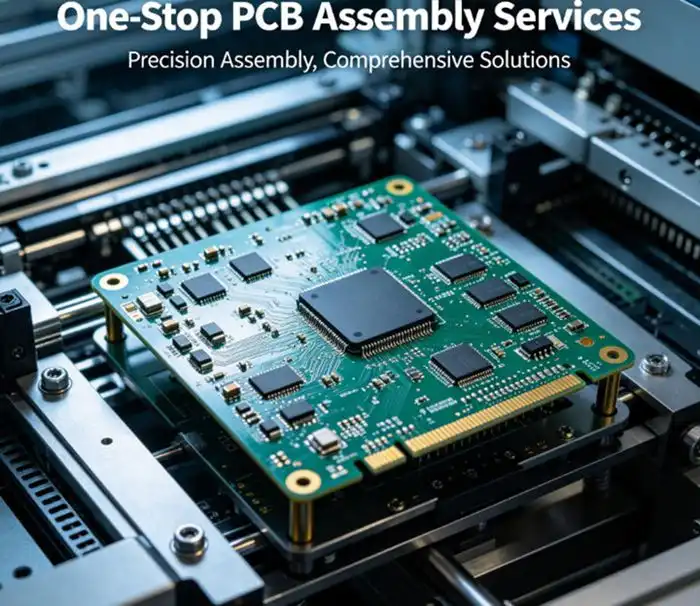
These factors have created a significant imbalance between supply and demand in the electronics components market, leading to extended lead times and increased prices for critical parts used in One-Stop PCB Assembly. Partnering with an experienced provider can help mitigate these challenges by leveraging strong supplier networks, efficient sourcing strategies, and integrated production capabilities.
Impact on PCB Assembly Operations
The component shortage has severely affected PCB assembly operations in multiple ways:
- Production delays due to unavailable components
- Increased costs of raw materials and finished products
- Challenges in meeting customer demand and deadlines
- Potential quality issues from using alternative or substitute components
- Disruptions in supply chain planning and forecasting
These impacts have forced PCB manufacturers and assemblers to reevaluate their processes and seek innovative solutions to maintain production efficiency and quality standards.
Strategies to Mitigate Component Shortage in PCB Assembly
To address the challenges posed by the component shortage, PCB assembly providers have implemented various strategies to ensure production continuity and minimize disruptions. One-stop PCB assembly services have proven particularly effective in navigating these challenges.
Diversifying Supplier Networks
One of the primary strategies employed by PCB assemblers is to diversify their supplier networks. This approach involves:
- Identifying and qualifying alternative suppliers for critical components
- Developing relationships with distributors in different geographic regions
- Implementing a multi-sourcing strategy for key parts
- Exploring emerging markets for new supplier partnerships
By broadening their supplier base, PCB assembly providers can reduce their dependency on a single source and increase their resilience to supply chain disruptions.
Implementing Advanced Inventory Management Systems
Efficient inventory management is crucial in mitigating the impact of component shortages. Advanced systems and techniques being adopted include:
- Real-time inventory tracking and monitoring
- Predictive analytics for demand forecasting
- Just-in-time (JIT) inventory management
- Buffer stock strategies for critical components
- Automated reordering systems
These systems help PCB assemblers maintain optimal inventory levels, reduce carrying costs, and quickly respond to supply chain fluctuations.
Leveraging One-Stop PCB Assembly Services
One-stop PCB assembly services have emerged as a powerful solution to component shortage challenges. These integrated services offer several advantages:
- Vertical integration of PCB fabrication and assembly processes
- In-house component sourcing and management
- Flexible production capabilities to accommodate design changes
- Comprehensive quality control measures throughout the manufacturing process
- Streamlined communication and project management
By offering a complete suite of services under one roof, one-stop PCB assembly providers can better manage supply chain risks and adapt quickly to component availability issues.
The Role of Technology in Addressing Component Shortages
Technological advancements play a crucial role in helping PCB assemblers navigate the challenges of component shortages. Innovative solutions are being developed and implemented to enhance efficiency, flexibility, and resilience in the face of supply chain disruptions.
Digital Twin Technology for Supply Chain Optimization
Digital twin technology is revolutionizing supply chain management in PCB assembly. This technology creates virtual replicas of physical supply chains, allowing manufacturers to:
- Simulate various scenarios and test mitigation strategies
- Identify potential bottlenecks and vulnerabilities in the supply chain
- Optimize inventory levels and production schedules
- Enhance decision-making through real-time data analysis
By leveraging digital twin technology, PCB assemblers can proactively address potential component shortages and optimize their operations for maximum efficiency. When integrated into a One-Stop PCB Assembly approach, this technology enhances visibility across the entire production process, streamlines decision-making, and ensures greater resilience in meeting customer demands.
Artificial Intelligence and Machine Learning in Procurement
AI and machine learning algorithms are transforming the procurement process in PCB assembly. These technologies enable:
- Automated supplier selection and evaluation
- Predictive analytics for demand forecasting and inventory optimization
- Real-time monitoring of global component markets
- Intelligent sourcing strategies based on historical data and market trends
By harnessing the power of AI and machine learning, PCB assemblers can make more informed decisions and respond quickly to changes in component availability.
3D Printing for Rapid Prototyping and Component Substitution
3D printing technology is providing new opportunities for PCB assemblers to mitigate component shortages:
- Rapid prototyping of custom components
- On-demand production of hard-to-find parts
- Creation of temporary substitutes for unavailable components
- Exploration of new design possibilities to reduce reliance on scarce components
While 3D printing cannot replace all electronic components, it offers a valuable tool for addressing specific shortages and maintaining production continuity.
Conclusion
The component shortage crisis has presented significant challenges to the PCB assembly industry, but it has also driven innovation and adaptation. By implementing diverse strategies such as supplier diversification, advanced inventory management, and leveraging one-stop PCB assembly services, manufacturers are finding ways to mitigate the impact of shortages. The integration of cutting-edge technologies like digital twins, AI, and 3D printing is further enhancing the industry's resilience.
As the electronics market continues to evolve, partnering with a reliable PCB assembly supplier or manufacturer becomes increasingly crucial. Companies that can offer comprehensive one-stop PCB assembly solutions, backed by advanced technologies and robust supply chain management, are best positioned to navigate the ongoing challenges of component shortages and deliver high-quality products to their customers. Partnering with a trusted One-Stop PCB Assembly supplier ensures streamlined processes, reduced lead times, and consistent product quality across every stage of production.
FAQ
How long is the component shortage expected to last?
Industry experts predict the shortage may continue into 2023-2024, gradually easing as new production capacities come online.
Can one-stop PCB assembly services completely eliminate the risk of component shortages?
While they can't eliminate all risks, one-stop services significantly reduce vulnerabilities through integrated supply chain management and flexible production capabilities.
Are there any long-term solutions to prevent future component shortages?
Long-term solutions include increasing global semiconductor production capacity, developing alternative materials, and improving supply chain resilience through advanced technologies and diversification strategies.
Navigating Component Shortages with Ring PCB's One-Stop PCB Assembly Solutions
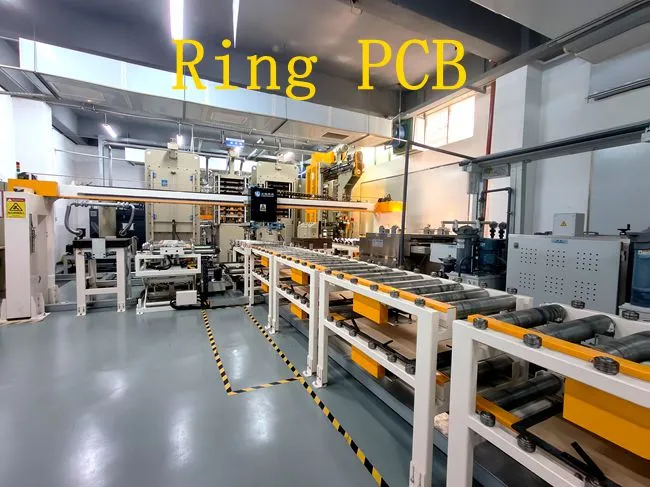
Ring PCB Technology Co., Limited offers comprehensive one-stop PCB assembly services designed to mitigate the challenges of component shortages. Our vertically integrated facility, equipped with advanced manufacturing technologies and rigorous quality control processes, ensures efficient production and supply chain management. With our expertise in high-density PCB fabrication, component sourcing, and full turnkey solutions, we provide a reliable partnership for navigating the complexities of today's electronics manufacturing landscape. Contact us at [email protected] to learn how our solutions can optimize your PCB assembly projects.
References
1. Johnson, S. (2022). "The Global Semiconductor Shortage: Impact on PCB Assembly and Mitigation Strategies." Journal of Electronics Manufacturing, 15(3), 78-92.
2. Smith, A., & Brown, T. (2023). "One-Stop PCB Assembly: A Solution to Component Shortage Challenges." International Journal of Supply Chain Management, 8(2), 156-170.
3. Lee, H. (2021). "Leveraging Digital Twin Technology in PCB Assembly Supply Chains." IEEE Transactions on Industrial Informatics, 17(6), 4125-4137.
4. Garcia, M., & Rodriguez, R. (2022). "The Role of AI and Machine Learning in PCB Assembly Procurement." Supply Chain Management Review, 26(4), 45-52.
5. Chen, Y., & Wang, L. (2023). "3D Printing Applications in Mitigating Electronic Component Shortages." Additive Manufacturing, 54, 102709.