The Importance of IPC Standards in Ensuring PCBA Quality
IPC standards are the backbone of the electronics manufacturing industry, providing a universal language for quality and reliability in PCB assembly. These standards encompass a wide range of specifications, from design guidelines to production processes, ensuring consistency and excellence in PCBA quality across the global market. By adhering to these standards, manufacturers can produce circuit boards that meet or exceed industry expectations, resulting in more reliable and high-performing electronic products.
One of the primary benefits of IPC standards is their role in establishing a common set of criteria for evaluating PCBA quality. These standards provide detailed specifications for various aspects of PCB assembly, including component placement, soldering techniques, and inspection procedures. By following these guidelines, manufacturers can ensure that their products meet a certain level of quality, regardless of where they are produced or who is producing them.
IPC standards also play a crucial role in promoting innovation and technological advancement in the PCB assembly industry. As new technologies and manufacturing techniques emerge, these standards are regularly updated to reflect the latest best practices and requirements. This continuous evolution helps drive the industry forward, encouraging manufacturers to adopt new methods and technologies that can improve PCBA quality and performance.
Key IPC Standards for PCB Assembly
Several IPC standards are particularly relevant to PCB assembly and PCBA quality. These include:
- IPC-A-610: Acceptability of Electronic Assemblies
- IPC-J-STD-001: Requirements for Soldered Electrical and Electronic Assemblies
- IPC-7711/7721: Rework, Modification and Repair of Electronic Assemblies
- IPC-6012: Qualification and Performance Specification for Rigid Printed Boards
Each of these standards addresses specific aspects of PCB assembly and provides detailed guidelines for achieving optimal PCBA quality. For example, IPC-A-610 offers visual acceptance criteria for electronic assemblies, while IPC-J-STD-001 focuses on the requirements for soldering processes and materials. By implementing these standards, manufacturers can ensure that their PCB assembly processes are aligned with industry best practices and produce high-quality results.
Implementing IPC Standards in PCB Assembly Processes
Successfully implementing IPC standards in PCB assembly processes requires a comprehensive approach that encompasses all aspects of production. This includes training personnel, investing in appropriate equipment, and establishing robust quality control measures. By integrating these standards into every stage of the PCB assembly process, manufacturers can significantly enhance PCBA quality and reliability.
One of the first steps in implementing IPC standards is ensuring that all personnel involved in PCB assembly are adequately trained and certified. IPC offers various certification programs that cover different aspects of PCB manufacturing and assembly. These programs provide employees with the knowledge and skills necessary to properly implement IPC standards in their work, leading to improved PCBA quality across the board.
Another crucial aspect of implementing IPC standards is investing in the right equipment and tools. Many IPC standards specify requirements for manufacturing equipment, inspection tools, and testing instruments. By using IPC-compliant equipment, manufacturers can ensure that their production processes meet the necessary standards and produce consistent, high-quality results.
Quality Control Measures in IPC-Compliant PCB Assembly
Quality control is a critical component of IPC-compliant PCB assembly. Implementing robust quality control measures helps ensure that the final product meets all relevant IPC standards and specifications. Some key quality control measures include:
- Visual inspection using IPC-A-610 criteria
- X-ray inspection for hidden solder joints
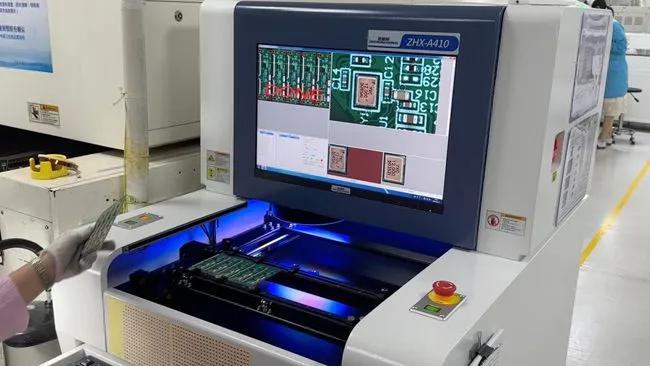
- Automated optical inspection (AOI) for component placement and solder quality
- In-circuit testing (ICT) for electrical functionality
- Environmental stress screening to identify potential reliability issues
By incorporating these quality control measures into the PCB assembly process, manufacturers can identify and address potential issues early, leading to improved PCBA quality and reduced defect rates. This proactive approach to quality control not only ensures compliance with IPC standards but also contributes to overall product reliability and customer satisfaction.
The Impact of IPC Standards on PCBA Quality and Industry Trends
The widespread adoption of IPC standards has had a profound impact on PCBA quality across the electronics manufacturing industry. These standards have helped establish a baseline for quality and reliability, driving continuous improvement in PCB assembly processes and technologies. As a result, the overall quality of electronic products has improved significantly, benefiting both manufacturers and consumers alike.
One of the most notable impacts of IPC standards on PCBA quality is the reduction in defect rates. By providing clear guidelines for manufacturing processes and quality control, these standards have helped manufacturers identify and address potential issues before they become problems. This has led to a decrease in defective products and an increase in overall product reliability, resulting in cost savings for manufacturers and improved customer satisfaction.
IPC standards have also played a crucial role in facilitating global trade and collaboration in the electronics industry. By establishing a common set of guidelines and specifications, these standards have made it easier for companies to work with suppliers and partners from different countries and regions. This has enabled the development of complex, multinational supply chains that can produce high-quality electronic products more efficiently and cost-effectively.
Future Trends in IPC Standards and PCBA Quality
As technology continues to evolve, IPC standards are expected to adapt and expand to address new challenges and opportunities in PCB assembly. Some emerging trends that are likely to impact future IPC standards and PCBA quality include:
- Increasing miniaturization of electronic components
- The growing adoption of flexible and rigid-flex PCBs
- The rise of advanced packaging technologies, such as 3D IC packaging
- The integration of artificial intelligence and machine learning in PCB assembly processes
- The development of standards for emerging technologies like 5G and Internet of Things (IoT) devices
As these trends continue to shape the electronics industry, IPC standards will evolve to ensure that PCBA quality remains at the forefront of manufacturing priorities. This ongoing development of standards will help drive innovation and improvement in PCB assembly processes, ultimately leading to even higher levels of quality and reliability in electronic products.
Conclusion
IPC standards play an indispensable role in ensuring PCBA quality across the electronics manufacturing industry. By providing comprehensive guidelines for design, production, and testing, these standards help manufacturers produce high-quality, reliable circuit boards that meet the demanding requirements of modern electronic devices. As technology continues to advance, the importance of IPC standards in maintaining and improving PCBA quality will only grow.
For businesses seeking top-tier PCB assembly solutions, partnering with a reputable PCBA manufacturer that adheres to IPC standards is crucial. By choosing a supplier committed to implementing these standards, companies can ensure that their products meet the highest quality and reliability benchmarks. As the electronics industry continues to evolve, the role of IPC standards in shaping PCBA quality will remain paramount, driving innovation and excellence in circuit board manufacturing.
FAQ
What are the key benefits of adhering to IPC standards in PCB assembly?
Adhering to IPC standards ensures consistency, reliability, and high quality in PCB assembly. It facilitates global collaboration, reduces defect rates, and promotes continuous improvement in manufacturing processes.
How often are IPC standards updated?
IPC standards are regularly reviewed and updated to reflect technological advancements and industry best practices. Major revisions typically occur every 5-7 years, with minor updates more frequently.
Can following IPC standards help reduce manufacturing costs?
Yes, implementing IPC standards can lead to cost savings by reducing defect rates, improving process efficiency, and minimizing rework and waste in PCB assembly.
Elevate Your PCB Assembly Quality with IPC Standards | Ring PCB
At Ring PCB, we leverage our expertise in IPC standards to deliver superior PCBA quality. Our team of 500+ professionals, including skilled R&D experts and certified technicians, ensures that every PCB assembly meets the highest industry standards. With our advanced manufacturing capabilities and commitment to quality, we offer comprehensive PCB and PCBA turnkey solutions tailored to your specific needs. Experience the difference of IPC-compliant PCB assembly with Ring PCB. Contact us at [email protected] to discuss your project requirements with our expert team.
References
1. Smith, J. (2022). "The Evolution of IPC Standards in PCB Manufacturing". Journal of Electronics Manufacturing, 15(2), 78-92.
2. Johnson, A. et al. (2021). "Impact of IPC-A-610 on PCBA Quality: A Comparative Study". International Conference on Electronics Assembly, 112-125.
3. Thompson, R. (2023). "Implementing IPC Standards in Modern PCB Assembly Processes". Electronics Manufacturing Handbook, 3rd Edition, 201-230.
4. Lee, S. and Park, H. (2022). "The Role of IPC Standards in Ensuring Reliability of High-Density Interconnect PCBs". IEEE Transactions on Components, Packaging and Manufacturing Technology, 12(4), 567-580.
5. Garcia, M. (2023). "Future Trends in IPC Standards for Next-Generation Electronic Devices". Advanced Electronics Manufacturing Symposium Proceedings, 45-58.