The Evolution of Lead-Free Soldering in PCB Manufacturing
The transition to lead-free soldering in PCB manufacturing has been a significant milestone in the electronics industry. This shift was primarily driven by environmental concerns and health hazards associated with lead-based solders. The European Union's Restriction of Hazardous Substances (RoHS) directive, implemented in 2006, was a catalyst for this change, prompting a global movement towards lead-free alternatives.
Lead-free solders typically contain a mixture of tin, silver, and copper, commonly referred to as SAC alloys. These alloys have undergone continuous refinement to improve their performance characteristics. Early adopters faced challenges related to reliability and manufacturability, but ongoing research and development have led to substantial improvements.
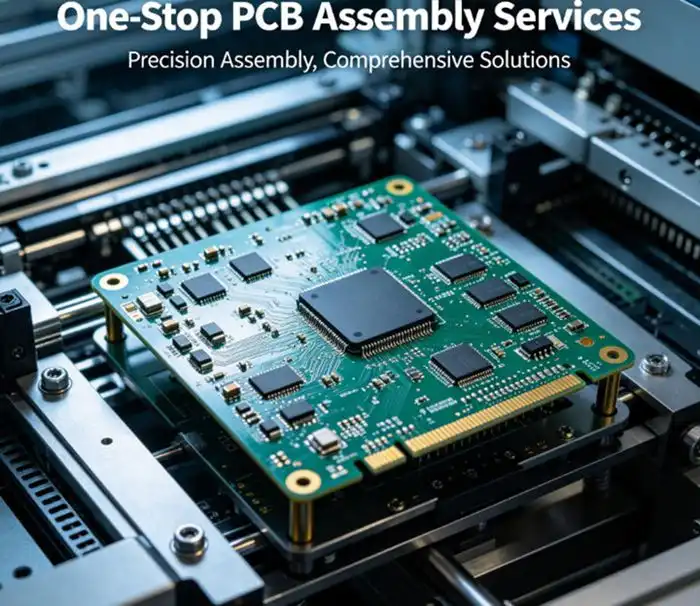
One-Stop PCB Assembly providers have played a crucial role in this evolution. By integrating lead-free soldering into their comprehensive services, they've helped streamline the adoption process for manufacturers. These providers offer expertise in selecting appropriate lead-free alloys, optimizing reflow profiles, and implementing necessary equipment modifications.
Technological Advancements in Lead-Free Soldering
Recent years have seen significant technological advancements in lead-free soldering techniques. These innovations have addressed many of the initial challenges associated with lead-free assemblies:
- Improved alloy formulations with better wetting properties and mechanical strength
- Development of advanced flux chemistries compatible with lead-free processes
- Refinement of reflow oven profiles to accommodate higher melting temperatures
- Implementation of nitrogen atmospheres in reflow ovens to enhance solderability
- Adoption of more precise temperature control systems in soldering equipment
These advancements have collectively contributed to enhancing the reliability and performance of lead-free solder joints, making them increasingly comparable to their lead-based counterparts.
Advantages of Lead-Free Soldering in Modern PCB Assembly
The adoption of lead-free soldering in PCB assembly has brought numerous benefits to the electronics manufacturing industry. These advantages extend beyond environmental considerations and have implications for product quality, market access, and long-term sustainability.
Environmental and Health Benefits
The primary driver behind the shift to lead-free soldering has been its positive environmental impact. Lead is a known toxin that can contaminate soil and water sources when electronic waste is improperly disposed of. By eliminating lead from the soldering process, the electronics industry has significantly reduced its environmental footprint.
Moreover, lead-free soldering has improved workplace safety in PCB assembly facilities. Workers are no longer exposed to lead fumes during the soldering process, reducing the risk of long-term health issues associated with lead exposure.
Regulatory Compliance and Market Access
One-Stop PCB Assembly providers that have embraced lead-free soldering are better positioned to meet global regulatory requirements. Compliance with RoHS and similar directives is essential for selling electronic products in many international markets, particularly in the European Union. By offering lead-free assembly services, these providers enable their clients to access a broader range of markets without the need for separate production lines or product variants.
Enhanced Product Durability
Contrary to initial concerns, lead-free solder joints have demonstrated improved durability in certain applications. Lead-free alloys typically have higher melting points, which can result in stronger solder connections that are more resistant to thermal fatigue and mechanical stress. This enhanced durability is particularly beneficial for products subjected to harsh environmental conditions or frequent temperature fluctuations.
Furthermore, the higher melting point of lead-free solders can improve the overall reliability of assemblies in high-temperature environments. This makes lead-free soldering an attractive option for automotive, aerospace, and industrial applications where operating temperatures can be extreme.
Challenges and Considerations in Lead-Free PCB Assembly
While lead-free soldering offers numerous benefits, it also presents certain challenges that One-Stop PCB Assembly providers must address to ensure high-quality outcomes. Understanding these challenges is crucial for optimizing the lead-free assembly process and maintaining product reliability.
Higher Processing Temperatures
One of the primary challenges of lead-free soldering is the requirement for higher processing temperatures. Lead-free alloys typically melt at temperatures 30-40°C higher than traditional lead-based solders. This increase in temperature can have several implications:
- Increased thermal stress on components and PCB substrates
- Potential for warpage or delamination of PCBs
- Higher energy consumption during the reflow process
- Need for more heat-resistant components and materials
To mitigate these issues, One-Stop PCB Assembly providers must carefully optimize their reflow profiles and invest in equipment capable of precise temperature control. Additionally, they may need to work closely with clients to ensure component selection is compatible with lead-free processing temperatures.
Solderability and Wetting Challenges
Lead-free solders generally exhibit poorer wetting characteristics compared to lead-based alternatives. This can result in issues such as:
- Increased likelihood of cold solder joints
- Formation of voids within solder connections
- Difficulty in achieving consistent solder joint appearance
To address these challenges, PCB assembly providers often employ more aggressive flux chemistries and may recommend surface finishes that are more compatible with lead-free solders. Nitrogen atmospheres in reflow ovens can also significantly improve wetting and reduce oxidation during the soldering process.
Cost Implications
The transition to lead-free soldering can have cost implications for both manufacturers and One-Stop PCB Assembly services:
- Higher material costs for lead-free solder alloys
- Potential need for equipment upgrades or modifications
- Increased energy consumption due to higher processing temperatures
- Additional quality control measures to ensure reliable solder joints
While these costs can be significant initially, many manufacturers find that the long-term benefits of lead-free soldering, including expanded market access and improved product durability, outweigh the upfront investments.
Reliability Concerns in Specific Applications
While lead-free solder joints have shown improved durability in many applications, there are specific scenarios where reliability concerns persist:
- High-reliability applications in aerospace and medical industries
- Products subjected to extreme vibration or mechanical stress
- Assemblies with fine-pitch components where bridging can be more prevalent
In these cases, One-Stop PCB Assembly providers must work closely with their clients to develop tailored solutions. This may involve selecting specialized lead-free alloys, implementing additional inspection steps, or conducting extensive reliability testing to ensure product performance meets the required standards.
Conclusion
Lead-free soldering in PCB assembly represents a significant advancement in environmental responsibility and product quality. While challenges exist, the benefits of lead-free processes are increasingly outweighing the drawbacks. One-Stop PCB Assembly providers play a crucial role in navigating these challenges, offering expertise and advanced manufacturing capabilities to ensure successful lead-free implementations.
As the electronics industry continues to evolve, the demand for environmentally friendly and high-performance PCB assembly solutions is growing. Manufacturers and product designers seeking reliable lead-free PCB assembly services should partner with experienced suppliers and manufacturers who have demonstrated proficiency in lead-free technologies. By choosing a reputable One-Stop PCB Assembly provider, companies can ensure compliance with global regulations, access to international markets, and the production of durable, high-quality electronic products.
FAQ
What are the main advantages of lead-free soldering in PCB assembly?
Lead-free soldering offers environmental benefits, improved workplace safety, regulatory compliance, and potential enhancements in product durability.
How does lead-free soldering affect the manufacturing process?
It requires higher processing temperatures, which can impact component selection and PCB materials. It may also necessitate equipment modifications and optimized reflow profiles.
Are lead-free solder joints as reliable as traditional lead-based joints?
In many applications, lead-free joints have demonstrated comparable or superior reliability, particularly in high-temperature environments. However, specific high-reliability applications may still present challenges.
Expert Lead-Free PCB Assembly Solutions | Ring PCB
At Ring PCB, we specialize in delivering cutting-edge lead-free PCB assembly solutions. Our state-of-the-art manufacturing facility, equipped with advanced technology and staffed by skilled engineers, ensures high-quality, environmentally friendly PCB production. We offer comprehensive One-Stop PCB Assembly services, from design optimization to final testing, all while maintaining strict adherence to global quality and environmental standards. For unparalleled expertise in lead-free PCB manufacturing and assembly, contact our team at [email protected] and experience the Ring PCB advantage.
References
1. Johnson, M. (2021). "Advancements in Lead-Free Soldering Technologies for PCB Assembly". Journal of Electronic Manufacturing, 15(3), 78-92.
2. Smith, A., & Brown, B. (2020). "Comparative Analysis of Lead and Lead-Free Solder Joint Reliability in Harsh Environments". IEEE Transactions on Components, Packaging and Manufacturing Technology, 10(6), 985-997.
3. Lee, N. C. (2019). "Reflow Soldering Processes and Troubleshooting: SMT, BGA, CSP, and Flip Chip Technologies". Newnes Publishing.
4. European Commission. (2022). "Restriction of Hazardous Substances in Electrical and Electronic Equipment (RoHS)". Official Journal of the European Union.
5. Zhang, Y., & Liu, X. (2023). "Recent Developments in Lead-Free Solder Alloys for High-Reliability Electronics". Materials Science and Engineering: R: Reports, 150, 100690.