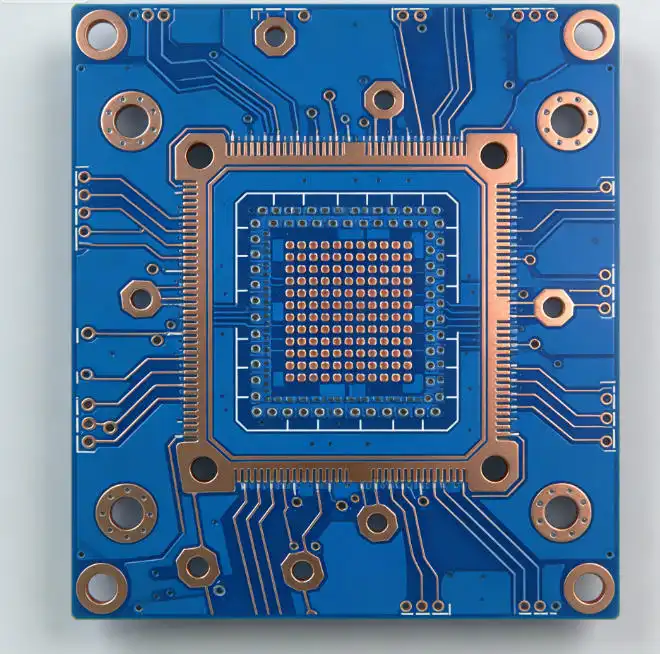
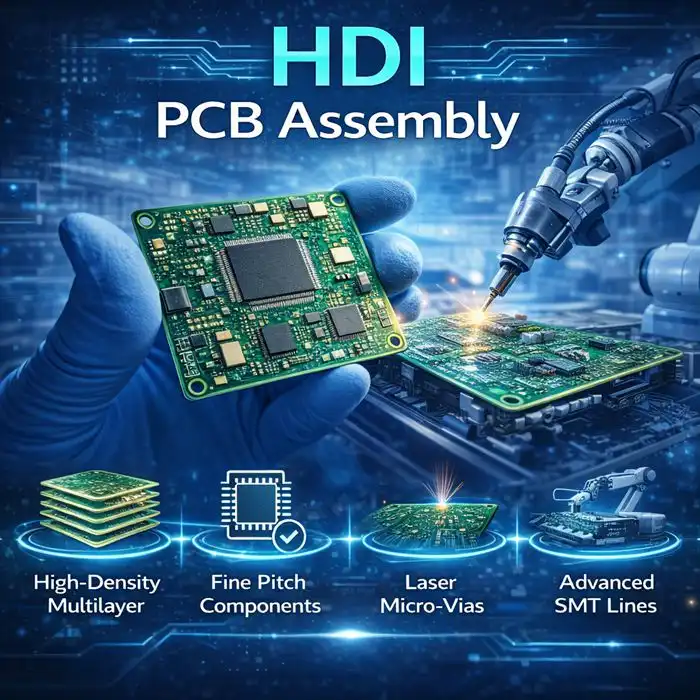
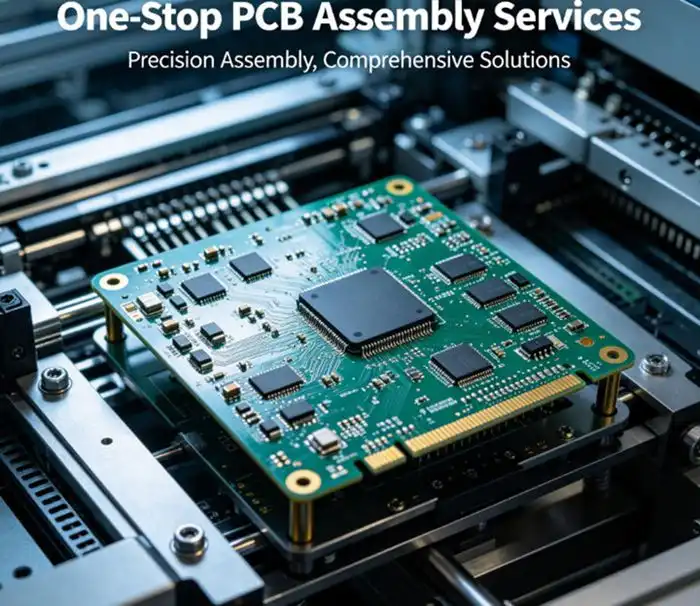
Quick-Turn Prototype PCBA for Small Batch & Fast Delivery is a new way to make electronics that meets the urgent demands of current product development. Fast turn PCBA services allow businesses to quickly iterate designs, test ideas, and get goods to market much faster than with conventional production processes. This faster assembly process uses both modern manufacturing methods and more efficient workflows to make high-quality prototype circuit boards in less time, usually between 24 hours and two weeks, depending on how complicated they are and what they need to do.
Understanding Quick-Turn Prototype PCBA: Definition and Process
Quick-turn prototype PCBA is a specific way of making things that was created to fulfill the faster needs of modern electronics development. This approach lets organizations quickly put together tiny amounts of printed circuit boards so they may test ideas and functioning without having to make a lot of them.
Core Components of Fast Turn PCBA Services
To do good rapid prototyping, you need to know the whole process. Fast turn PCBA services combine many steps of production into one smooth, time-saving procedure that keeps quality standards high while cutting lead times by a huge amount.
The first step is to look at the design files and do a design for manufacturability (DFM) review. This is when engineering teams look at PCB layouts to see if there would be any problems with assembly. Next comes component sourcing, which uses existing supplier networks to get parts fast. Advanced manufacturers have large libraries of parts and pre-negotiated contracts with suppliers to speed up the buying process.
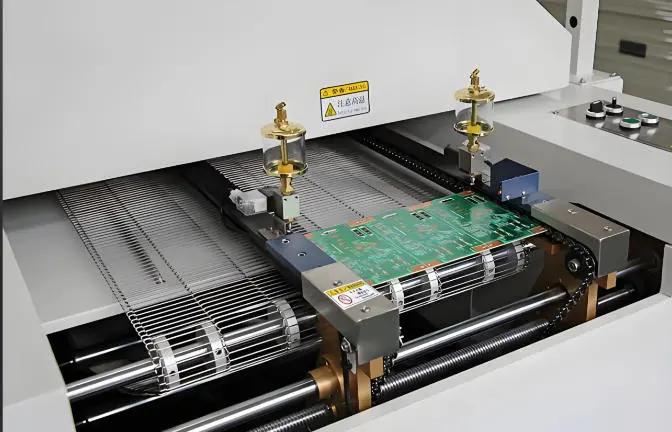
The assembly process uses the latest surface mount technology (SMT) lines that can quickly switch between various kinds of boards. Modern factories use automated optical inspection (AOI) technologies and X-ray testing to make sure that the assembly is of high quality without slowing down production. These combined quality control procedures help manufacturers achieve failure rates of less than 0.2%, which is far better than the industry average.
Timeline Advantages and Manufacturing Benefits
It usually takes 4 to 6 weeks for traditional PCB assembly to go from order to delivery. Quick-turn services cut this time frame down to 3 to 10 business days. This lets product development teams quickly change designs and adapt to market possibilities with never-before-seen speed.
This speed-up follows just-in-time production rules and lowers the expenses of holding inventory and the dangers of it becoming obsolete. Companies may test numerous design variants at the same time to find the best combinations before committing to mass production. Fast turn PCBA services are very flexible, which is a great match for the agile development methods that are becoming more popular in the electronics sector.
Comparing Fast Turn PCBA with Traditional PCB Assembly: Making Informed Decisions
Procurement experts may make smart choices that are in line with project needs and corporate goals if they know the differences between accelerated and regular assembly services.
Cost Structure Analysis
Fast turn PCBA usually costs more since it requires a faster service model and specific resource allocation. However, a total cost analysis shows that there are typically big value propositions that make the price difference worth it.
Rapid prototyping may cut the time it takes to get a product to market by weeks or even months. This means that commercial items can make a lot more money. Engineering teams may find and fix design problems early on in the development cycle, which saves money by not having to make changes during the volume production phase. These elements work together to make the investment worth it, even if the cost of each prototype is greater.
Traditional assembly services are best for making a lot of things at once, when lower costs make up for longer lead times. Standard methods work better with bigger batch sizes, which lowers the cost per unit for numbers above 1,000 pieces. But conventional methods need full design validation before committing to production, which makes it harder to be flexible with iterative development processes.
Quality Assurance and Reliability Metrics
Modern rapid turn PCBA companies utilize strict quality control systems that are just as strict as those used in mass production settings. Advanced manufacturers keep their failure rates below 0.2% by using thorough testing methods such in-circuit testing, functional validation, and thermal cycle verification.
Quality assurance techniques include checking incoming parts, keeping an eye on the assembly process in real time, and checking the finished product. Automated systems collect precise traceability data, which makes it easy to find the underlying cause of problems that come up during testing. These features make ensuring that prototype assemblies correctly reflect the quality of mass production, giving reliable validation data for design verification operations.
Procurement Considerations: How to Source Fast Turn PCBA Services Successfully?
To successfully buy quick assembly services, you need to know how the market works and what suppliers can do that makes accelerated production distinct from typical methods.
Minimum Order Quantities and Pricing Strategies
Fast turn PCBA suppliers usually accept minimum order quantities of single prototypes to several hundred units. This gives them more options than traditional assembly channels provide. This capacity is very important for new businesses and experienced manufacturers making specialty items with unclear volume needs.
Setup costs are sometimes included in pricing structures to cover the extra work needed for quick turnarounds. But competing providers have clear pricing models that make it possible to accurately predict costs at varying levels of supply. Smart procurement tactics include making framework agreements with competent suppliers to get good prices and priority scheduling for urgent needs.
Supply Chain Agility and Component Sourcing
Good rapid turn PCBA suppliers have a lot of parts in stock and have built partnerships with distributors all over the globe. These skills make it possible to quickly get parts, even rare ones that are hard to find. To avoid delays caused by components shortages, advanced suppliers provide alternate sourcing choices and component substitutions.
Suppliers that provide procurement teams real-time information about the availability of parts and clear pricing are helpful. This insight makes it possible to plan ahead and identify any supply chain issues before they cause delays in project timeframes. Leading vendors also provide pre-positioning services for parts for clients that need prototypes on a regular basis.
Ensuring Quality and Overcoming Challenges in Fast Turn PCBA Production
When manufacturing schedules are compressed, they create problems that need particular solutions to maintain delivery dependability and quality requirements.
Common Obstacles and Practical Solutions
The most common problem with hurried assembly tasks is finding the right parts. To make sure that parts are always available, successful suppliers maintain strategic inventory levels and build connections with many distributors. When conventional parts aren't accessible, experienced engineers suggest other options that keep the design intact and allow the timetable to be followed.
The intricacy of the assembly may affect how long it takes to finish, especially for high-density designs with fine-pitch parts or specific packaging. Top manufacturers buy modern placement equipment and hire qualified operators who can put together complicated parts without sacrificing quality. Comprehensive design evaluations identify possible problems with assembly early on, so they may be fixed before production starts.
To keep quality consistent when timetables are tight, you need advanced process controls and skilled workers. Providers that are successful use statistical process control systems that keep an eye on important assembly factors in real time. These systems instantly detect variations that might affect quality, which makes it possible to take rapid remedial action to keep the specifications in line.
Case Studies and Implementation Success
Before sending applications to the authorities, medical device makers often use fast turn PCBA services to make sure they are following the rules. By using rapid prototyping processes, one business that makes cardiac monitoring devices cut development cycles from 18 months to 12 months. This let them go to market faster and gain a competitive edge.
Automotive electronics firms use accelerated services to swiftly react to changes in client specifications throughout the development process. A tier-one supplier was able to change the designs of infotainment systems in only two weeks utilizing rapid turn PCBA services. This met client timelines that would have been unattainable with conventional production methods.
Ring PCB: Your Trusted Partner in Fast Turn PCBA Solutions
Ring PCB has become a top supplier of fast assembly services by combining cutting-edge manufacturing technology with full customer support to provide B2B customers throughout the globe great outcomes.
Advanced Manufacturing Capabilities
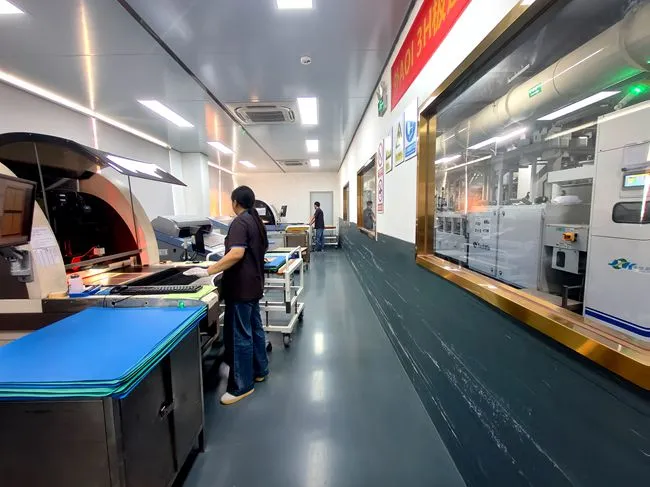
Our state-of-the-art facility has the most up-to-date technology that is best for making prototypes quickly. We can make boards with 2 to 48 layers, blind or buried vias, 3/3mil trace spacing, and ±7% impedance control. This makes us great partners for 5G applications, industrial control systems, medical devices, and automotive electronics.
Our integrated manufacturing method includes making PCBs, getting components, putting them together using SMT, and testing them all in one place. This vertical integration gets rid of outside dependencies that might affect delivery times and gives you full control over your supply chain. Before production starts, our DFM/DFA optimization services assist lower the costs of the BOM and the hazards of the design.
Quality Assurance and Certifications
Ring PCB uses three quality assurance methods: AOI, impedance testing, and thermal cycling verification. Our failure rate is always below 0.2%, which is far better than the industry norm. We have ISO9001, IATF16949, and RoHS certificates, which show that we follow worldwide quality standards.
Our skilled engineers provide full DFM analysis and technical assistance throughout the development process. We have customer assistance available 24 hours a day, seven days a week, and we can keep making things all week long. This means that your urgent tasks will get prompt attention and priority scheduling.
Conclusion
Prototype that can be made quickly PCBA services are a new way of making electronics that lets companies quickly create new products and respond to changes in the market. Companies may use accelerated assembly services to speed up innovation and keep their competitive edge if they know the pros, disadvantages, and things to think about when buying these services. To be successful, you need to work with skilled suppliers that have both sophisticated production skills and full customer support and quality assurance. Ring PCB delivers these essential capabilities while maintaining the flexibility and responsiveness required for today's dynamic electronics market, especially in fast turn PCBA.
FAQ
Q1: What are typical lead times for fast turn PCBA prototypes?
A: Depending on how complicated the project is and how available the parts are, standard lead times might be anything from 24 hours to 10 business days. Most of the time, simple assembly using standard parts may be done in 3 to 5 days. But complicated multi-layer boards may take 7 to 10 days. For urgent needs, rush services may finish certain jobs in 24 to 48 hours.
Q2: How do costs compare between fast turn and traditional PCB assembly?
A: Fast turn services usually cost 20–50% more than regular assembly since they need faster handling and more specialized resources. But the shorter time to market frequently leads to a positive ROI since it leads to earlier revenue generating and quicker product iteration cycles.
Q3: Can fast turn PCBA projects scale to volume production?
A: Yes, successful prototypes may easily go to mass production utilizing the same quality standards and manufacturing techniques. Many vendors provide production planning services to make sure that scaling up from prototype quantities to full production levels goes smoothly and without having to change the design.
Accelerate Your Product Development with Ring PCB Fast Turn PCBA Services
Ring PCB's industry-leading rapid turn PCBA manufacturing solutions might change the way you plan your product development. Our services are economically priced and feature 24/7 online assistance and production that runs seven days a week, which is far faster than conventional delivery periods. We make multilayer circuit boards with up to 48 layers and have worldwide ISO certifications to back them up. This guarantees better quality and dependability. Our skilled engineering staff offers full DFM assistance while keeping failure rates at 0.2%. With our simplified procedures, superior production capabilities, and steadfast dedication to client success, you can see the Ring PCB edge. Are you ready to speed up your next project? Contact us at [email protected] for your customized quote today.
References
1.Smith, J. and Williams, R. "Rapid Prototyping in Electronics Manufacturing: Trends and Technologies." Journal of Manufacturing Technology, Vol. 45, No. 3, 2023, pp. 112-128.
2.Johnson, M. "Supply Chain Optimization for Fast-Turn PCB Assembly." International Electronics Manufacturing Review, Vol. 28, No. 7, 2023, pp. 89-104.
3.Chen, L. and Anderson, K. "Quality Control in Expedited Circuit Board Assembly: Best Practices and Case Studies." Electronics Assembly Quarterly, Vol. 15, No. 2, 2023, pp. 45-67.
4.Thompson, D. "Cost-Benefit Analysis of Quick-Turn vs. Traditional PCB Assembly Services." Manufacturing Economics Journal, Vol. 32, No. 4, 2023, pp. 178-195.
5.Rodriguez, A. "Design for Manufacturability in Fast-Turn PCB Production." Circuit Design and Manufacturing, Vol. 19, No. 6, 2023, pp. 234-251.
6.Kumar, S. "Emerging Technologies in Rapid PCB Assembly and Testing." Advanced Manufacturing Technologies Review, Vol. 41, No. 1, 2023, pp. 67-84.