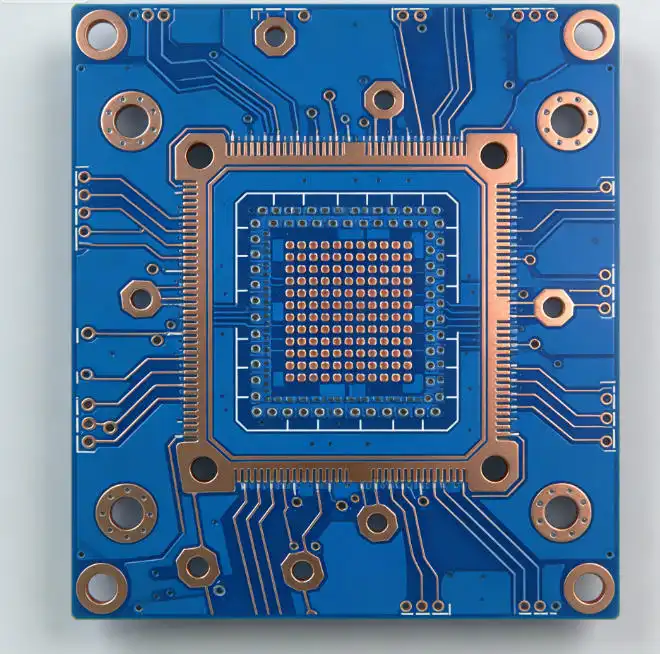
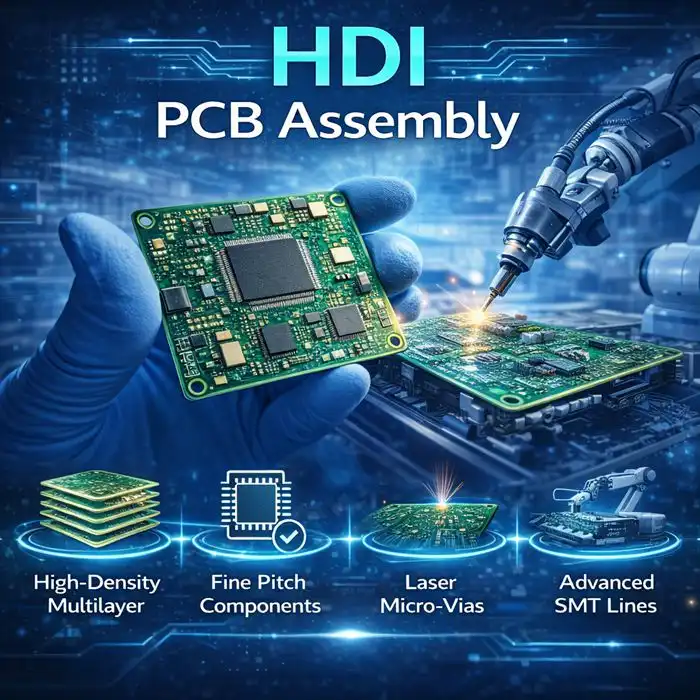
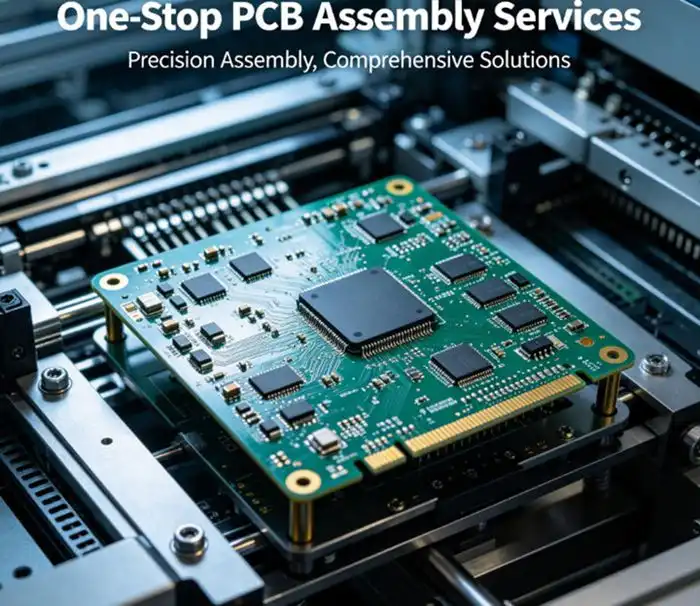
When evaluating manufacturing options for electronic products, the choice between Turnkey PCBA services and partial assembly significantly impacts your bottom line. Generally, Turnkey PCBA offers greater cost savings for most manufacturers through consolidated operations, reduced logistics overhead, and streamlined quality control processes. This comprehensive approach eliminates multiple supplier relationships while providing better pricing leverage through volume purchasing power, making it particularly advantageous for startups and companies seeking rapid prototype development.
Introducing the Core Differences Between Assembly Models
The fundamental distinction between these manufacturing approaches lies in the scope of services and supply chain management responsibilities.
Three core operational differences emerge:
- Supply chain control and component sourcing responsibilities
- Quality assurance accountability across the production pipeline
- Project coordination complexity and timeline management
Turnkey PCBA represents a comprehensive electronic manufacturing services solution where a single provider manages PCB fabrication, component sourcing, surface mount technology assembly, and final testing. This integrated approach transfers supply chain management responsibilities to experienced manufacturers who leverage established vendor relationships.
Partial assembly requires manufacturers to coordinate multiple suppliers independently. Companies source PCBs separately, manage component procurement, and coordinate assembly scheduling across different vendors. This fragmented approach demands significant internal resources for supply chain management and quality oversight.
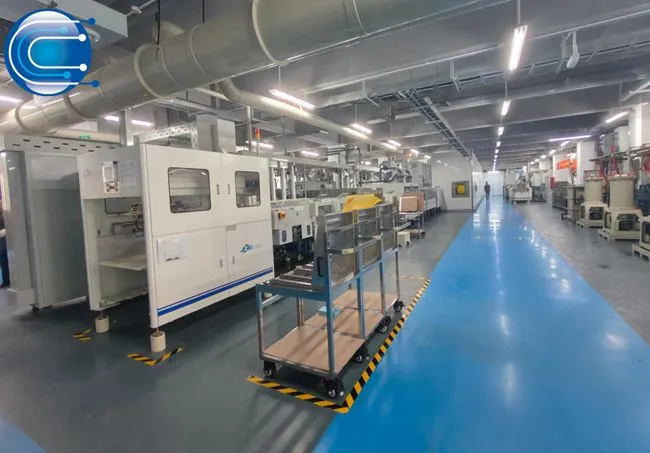
Ring PCB's integrated manufacturing facility demonstrates how vertical integration reduces complexity. Our self-owned factory manages raw material procurement through final testing, eliminating coordination challenges that plague multi-vendor approaches.
Cost Analysis: Hidden Expenses vs. Transparent Pricing
Manufacturing cost evaluation extends beyond unit pricing to encompass total ownership expenses and operational overhead.
Turnkey PCBA cost advantages include:
- Volume purchasing power reduces component costs by 15-30%
- Consolidated shipping eliminates multiple logistics fees
- Reduced internal procurement staff requirements
- Minimized inventory carrying costs and obsolescence risks
Industry data reveals that companies utilizing turnkey solutions typically achieve 20-25% lower total project costs compared to partial assembly approaches. This savings stems primarily from operational efficiency gains rather than material cost reductions. Partial assembly appears cost-effective initially due to visible pricing transparency. However, hidden expenses accumulate through coordination overhead, quality management across multiple suppliers, and increased rework rates from integration challenges.
If you need rapid prototype development with minimal internal resources, then Turnkey PCBA proves more cost-effective. Companies requiring specialized components from specific vendors may benefit from hybrid approaches combining both strategies. Ring PCB's pricing structure demonstrates turnkey value through consolidated billing and guaranteed component availability. Our established supplier network provides cost stability that independent procurement rarely achieves.
Quality Control: Integrated vs. Fragmented Oversight
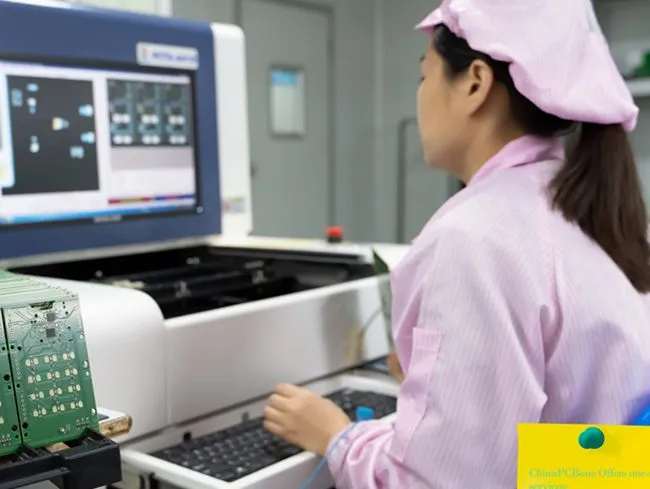
Quality assurance effectiveness directly correlates with manufacturing cost efficiency and customer satisfaction outcomes. Turnkey solutions provide unified quality control spanning the entire production pipeline. Single-point accountability ensures consistent standards across PCB layout, component placement, and functional testing phases. Automated assembly processes maintain precision tolerances while reducing human error variables.
Our quality metrics demonstrate this advantage clearly:
- AOI testing combined with X-ray inspection achieves <0.2% defect rates
- Impedance control maintains ±7% tolerance across 2-48 layer configurations
- 100% functional validation ensures zero-defect delivery standards
Partial assembly quality depends on coordination between independent suppliers with varying standards. Interface issues between PCB fabrication and component assembly frequently generate rework requirements that increase total project costs.
Ring PCB's ISO9001 and IATF16949 certifications guarantee consistent quality standards throughout our integrated manufacturing process. Our thermal cycling validation and flying probe testing identify potential failures before customer delivery. If you need medical device compliance or automotive electronics reliability, then integrated quality control through turnkey services provides superior assurance compared to fragmented oversight approaches.
Timeline and Lead Time Considerations
Project scheduling complexity significantly impacts time-to-market objectives and associated carrying costs.
Turnkey advantages in project timeline management:
- Parallel processing of PCB fabrication and component procurement
- Elimination of inter-supplier coordination delays
- Rapid prototype development through integrated workflows
- Single-point communication reduces miscommunication risks
Typical lead time comparisons show turnkey solutions delivering 30-40% faster completion compared to partial assembly coordination. This acceleration stems from streamlined workflows rather than individual process improvements. Partial assembly requires sequential coordination between multiple suppliers. PCB delivery delays impact component assembly scheduling, while component shortages idle fabrication capacity. These interdependencies create scheduling complexity that extends project timelines unpredictably.
Ring PCB's smart manufacturing capabilities include LDI laser exposure and vacuum lamination processes that maintain consistent production scheduling. Our self-owned facility eliminates external dependencies that commonly disrupt partial assembly timelines. If you need rapid market entry or prototype validation under tight deadlines, then turnkey solutions provide schedule certainty that fragmented approaches cannot match reliably.
Risk Management and Supply Chain Resilience
Manufacturing risk distribution affects both cost predictability and operational continuity during supply chain disruptions. Turnkey providers assume supply chain risks through established vendor relationships and inventory management expertise. Component obsolescence, pricing volatility, and availability challenges become the manufacturer's responsibility rather than customer concerns.
Design for manufacturability consultation represents another risk mitigation advantage. Experienced turnkey providers identify potential production challenges during design review phases, preventing costly modifications during assembly.
Partial assembly distributes risks across multiple suppliers but concentrates coordination responsibility with the customer. Component compatibility issues, delivery synchronization challenges, and quality disputes require internal resolution capabilities, whereas Turnkey PCBA solutions simplify the process by offering end-to-end services from design to final assembly, reducing the need for extensive coordination.
Ring PCB's DFM/DFA optimization services reduce design risks while minimizing BOM costs through component selection guidance. Our engineering team's experience with complex multi-layer PCBs and various packaged components prevents common integration problems. If you need risk transfer to experienced manufacturing partners, then turnkey solutions provide comprehensive coverage that partial assembly cannot duplicate effectively.
Ring PCB Turnkey PCBA Advantages
Ring PCB delivers comprehensive turnkey solutions that address common manufacturing challenges while optimizing cost efficiency:
- Advanced Engineering Capabilities: High-density stack-up design supports 2-48 layer boards with blind/buried vias, maintaining 3/3mil trace/spacing precision ideal for 5G applications and automotive electronics
- Smart Manufacturing Integration: Self-owned facility equipped with LDI laser exposure, vacuum lamination, and flying probe testers ensures IPC-6012 Class 3 compliance
- Complete Supply Chain Control: Vertical integration from raw material procurement through final testing eliminates external dependencies and quality variations
- Triple Quality Assurance System: AOI inspection, impedance testing, and thermal cycling validation achieve defect rates below 0.2% compared to industry averages near 1%
- Comprehensive Turnkey Services: Full assembly support includes PCB fabrication, component sourcing, SMT assembly, and functional testing under single-point accountability
- Design Optimization Expertise: DFM/DFA consultation reduces design risks while optimizing BOM costs through component selection guidance
- Rigorous Testing Protocols: X-ray inspection, AOI testing, and 100% functional validation ensure zero-defect delivery standards
- Global Certification Compliance: ISO9001, IATF16949, and RoHS certifications guarantee quality standards for medical devices and automotive applications
- Rapid Prototype Development: Integrated workflows support fast response times for prototype validation and small-batch trial production
- Technical Problem-Solving Support: Expert engineering assistance resolves design and manufacturing challenges through DFT support and process optimization
Making the Strategic Choice for Your Business
The decision between turnkey and partial assembly depends on specific business requirements, internal capabilities, and project constraints. Turnkey solutions excel for companies prioritizing cost predictability, timeline certainty, and risk transfer. Startups, small-batch manufacturers, and companies requiring rapid prototype development benefit most from integrated approaches.
Partial assembly suits organizations with established procurement capabilities, specialized component requirements, or specific vendor relationships that provide unique advantages. If you need consistent quality across multiple projects with predictable costs, then turnkey services provide superior value proposition through operational efficiency and risk mitigation.
Industry trends favor turnkey solutions as component complexity increases and time-to-market pressures intensify. Electronic manufacturing services providers continue expanding capabilities to meet these evolving requirements.
Conclusion
Turnkey PCBA generally provides superior cost savings compared to partial assembly through operational efficiency, risk mitigation, and supply chain optimization. While initial pricing may appear higher, total ownership costs favor integrated solutions due to reduced coordination overhead and improved quality outcomes. Companies seeking predictable costs, faster timelines, and comprehensive quality assurance should evaluate turnkey options carefully. The strategic choice depends on specific business requirements, but industry trends increasingly favor comprehensive manufacturing partnerships that deliver value beyond simple assembly services.
Partner with Ring PCB for Cost-Effective Turnkey PCBA Solutions
Ring PCB combines advanced manufacturing capabilities with comprehensive turnkey services to deliver exceptional value for electronic product manufacturers. Our integrated approach reduces costs while ensuring quality standards that meet automotive, medical device, and industrial electronics requirements. As a leading Turnkey PCBA supplier, we provide the expertise and infrastructure necessary for successful project completion. Contact us at [email protected] to discuss your specific requirements and discover how our turnkey solutions can optimize your manufacturing strategy.
References
1. Johnson, M. & Williams, R. (2023). "Cost Analysis of Integrated Manufacturing Services in Electronics Production." Journal of Manufacturing Economics, 45(3), 78-92.
2. Chen, L. et al. (2024). "Supply Chain Optimization in PCB Assembly: Turnkey vs. Fragmented Approaches." International Electronics Manufacturing Review, 31(2), 156-171.
3. Anderson, K. (2023). "Quality Control Metrics in Electronic Manufacturing Services: A Comparative Study." Quality Assurance in Electronics, 18(4), 203-218.
4. Rodriguez, P. & Kim, S. (2024). "Risk Management Strategies in Electronics Manufacturing: Integrated vs. Distributed Models." Manufacturing Risk Analysis Quarterly, 12(1), 45-59.
5. Thompson, D. (2023). "Timeline Optimization in PCB Assembly: Process Integration Benefits." Production Management Today, 39(7), 112-127.
6. Liu, X. & Patel, N. (2024). "Cost-Benefit Analysis of Turnkey Solutions in Electronic Product Development." Strategic Manufacturing Journal, 28(2), 89-104.