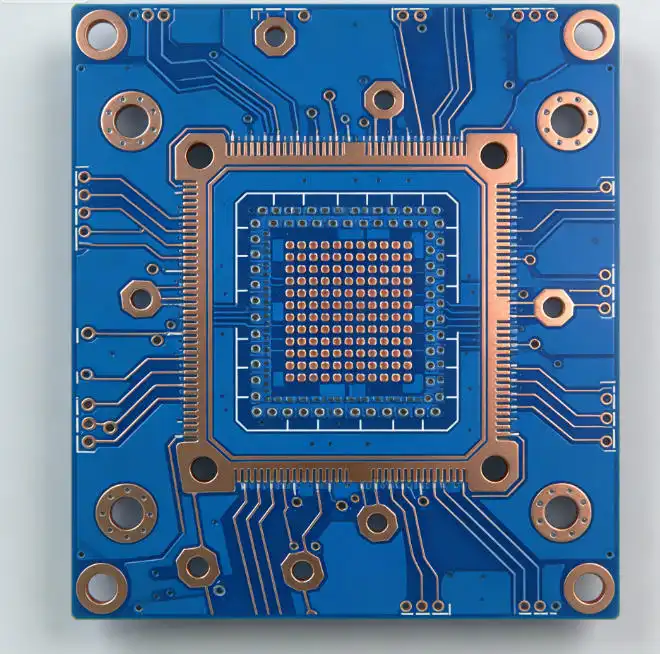
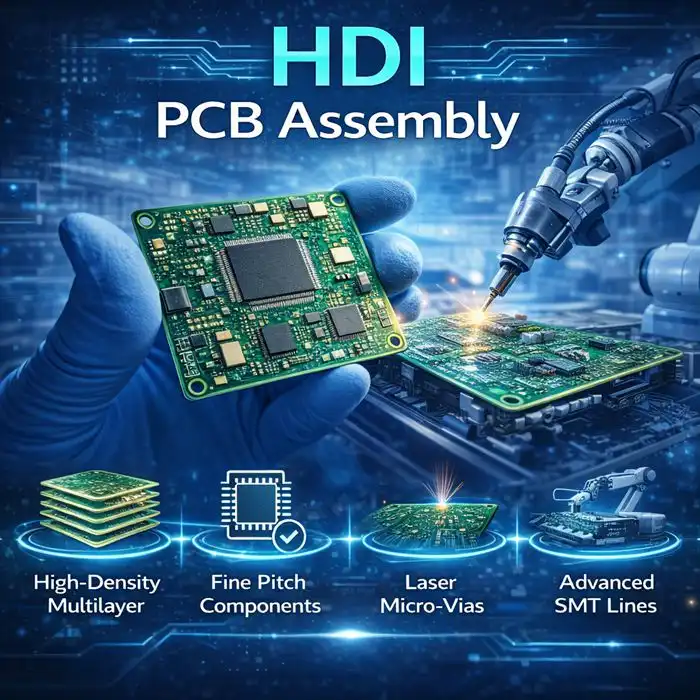
Smart home brands in Spain mostly get their PCB Surface Mount Technology from contract assembly and specialized makers that offer full SMT services, high-quality certifications, and "turnkey" capabilities. When making these purchases, a lot of weight is given to suppliers who can show they are good at putting together small electronics, follow ISO and IPC rules, and offer reliable technical help throughout the whole product development process. The sourcing landscape includes both local European suppliers and foreign manufacturers who know how to make smart home gadgets the right way.
Understanding PCB Surface Mount Technology in Smart Home Applications
Today's smart home devices are built on Surface Mount Technology, which makes it possible to make small, reliable, and very efficient electrical systems. With this advanced method of assembly, companies can make high-tech gadgets that meet the strict needs of today's connected home environment. The accuracy and expandability of the technology make it essential for smart home brands that want to stay ahead in markets that are changing quickly.
Using SMT in smart home applications has changed the way we think about making devices smaller and more useful. Surface mount processes, on the other hand, allow for an unprecedented level of component density while keeping the highest standards of reliability. This base technology supports the complicated circuitry needed for wireless connectivity, sensor integration, and the high-level processing power that makes smart home goods what they are today.
What is PCB Surface Mount Technology?
PCB Surface Mount Technology lets you put electronic parts right on top of printed circuit boards, so the leads for those parts don't have to go through holes. Specialized tools are used in this method of assembly to exactly place parts on the PCB surface. These parts can be anything from resistors and capacitors to complex integrated circuits. Differentiating between SMT and through-hole technology comes down to how the components are attached and how the board is made. Surface-mount parts have flat contacts or short pins that connect directly to copper pads on the PCB surface.
This makes it possible to have a lot more parts and better electrical performance. This method makes it possible for smart home gadgets to have small sizes while still having multiple functions built into a single circuit assembly. SMT is very important for modern smart home devices because it lets them fit wireless communication modules, sensor arrays, processing units, and power management circuits into areas that are getting smaller and smaller. The accuracy of the technology makes it possible for microscopic parts to connect reliably, and it stays durable enough for use in consumer products.
How Does PCB SMT Work?
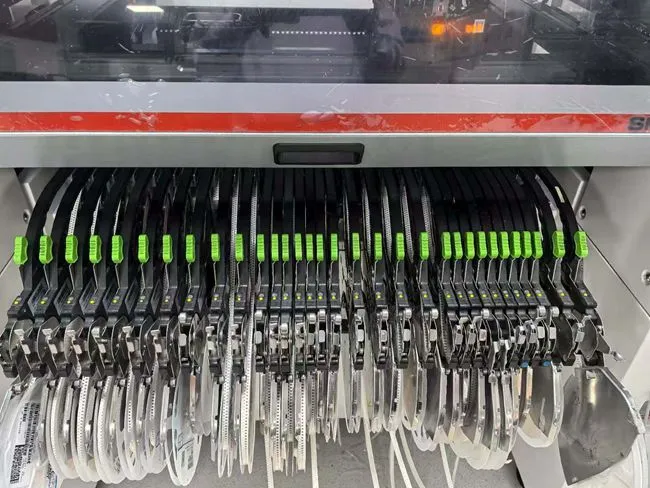
The first step in SMT assembly is applying solder paste using precise stencils that put the right amount of solder on the right PCB pads. Then, extremely accurate automated pick-and-place tools place the parts, usually getting placement tolerances within ±0.05mm for standard parts and even tighter tolerances for fine-pitch devices. Reflow soldering is an important part. During this step, the finished boards go through controlled temperature profiles in special ovens. The solder paste melts during this process, making lasting electrical and mechanical connections between the PCB pads and the components.
Temperature control during reflow needs close attention to keep parts from breaking and to make sure that a good solder joint forms. Once the assembly is finished, it goes through a quality inspection process. This is usually done by automatic optical inspection systems that check the placement of the components and the integrity of the solder joints. Advanced makers use extra testing methods, like functional verification and in-circuit testing, to make sure that assemblies meet performance standards before sending them to companies that make smart home devices.
Advantages of SMT for Smart Home Electronics
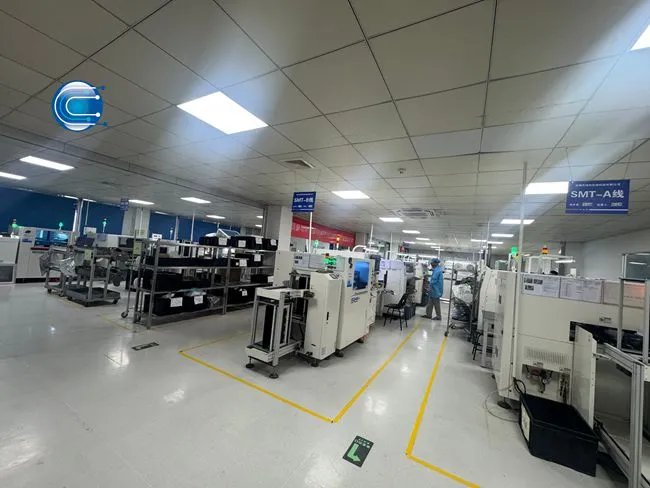
The ability of surface mount technology to make things smaller directly addresses the space issues that come up when designing smart home devices. Modern SMT methods allow for component placement densities of more than 1000 per square inch. This lets designers fit a lot of utility into small housings like those used for smart switches, sensors, and control modules. Another big benefit is better electrical performance, which comes from shorter connection lines between parts that lower parasitic inductance and capacitance. This improvement is very important for high-frequency uses like sensor interfaces and wireless communication modules that are popular in smart home systems.
Less electromagnetic interference and better signal integrity make it easier for the gadget to work reliably. Cost effectiveness comes from a number of things, such as using less material, putting things together faster, and getting better results from the production process. When compared to through-hole assembly, SMT processes usually have higher throughput rates. Also, current SMT lines are automated, which cuts down on labor costs and improves consistency. Because of these economic benefits, companies that make smart homes can keep their prices low while still making good profits.
Where Spain's Smart Home Brands Source Their SMT Solutions?
Smart home makers in Spain have come up with very smart ways to find suppliers that balance the need for quality with the need to save money and make the supply chain work more efficiently. There are both European regional suppliers and global manufacturing partners in the procurement landscape. Depending on the needs of the project and the amount of production, each offers different benefits.
When choosing a supplier, location is very important. For example, many Spanish brands prefer SMT providers based in Europe for prototyping and small-batch production. This choice comes from benefits like shorter lead times, simpler communication, and less complicated logistics. When it comes to design changes and technical help, European suppliers are often faster to respond, which is very important during the product development stages.
Leading PCB SMT Manufacturers and Suppliers for Smart Home OEMs in Spain
Regional suppliers in Europe have built a strong reputation for working with makers of smart home electronics by providing specialized services and quality certifications in PCB Surface Mount Technology. These companies usually have IPC-A-610 Class 2 or Class 3 certifications and ISO 9001 quality management systems. This makes sure that the quality of the assemblies is always high enough to meet the strict needs of smart home devices. Different sellers have very different technological skills. The best ones offer high-tech services like fine-pitch component assembly, ball grid array mounting, and complex multilayer PCB handling.
The most competitive suppliers keep equipment that can place parts as small as 01005 packages accurately enough for high-density interconnect applications like those found in smart home controls and communication modules. Quality ratings cover more than just basic assembly rules. They also cover things like following environmental rules like RoHS and REACH. As legal requirements change in the European market, Spanish smart home brands put a lot of value on suppliers who show proactive compliance management. Customers are much less likely to have problems with compliance when suppliers keep their certifications up to date and offer documentation help.
The Role of ODM and Turnkey PCB SMT Service Providers
Original Design Manufacturer partnerships are becoming more and more popular among Spanish smart home brands that want to cut down on internal engineering costs and speed up time to market. As a single-source setup, ODM providers offer a wide range of services, such as circuit design, component selection, PCB layout optimization, and full assembly. As well as providing assembly services, turnkey SMT service providers are great at handling the procurement of parts. They use their buying power and relationships with suppliers to get the best prices and reliable availability.
This method works especially well for smaller smart home companies that don't have their own buying staff or established networks of suppliers. A lot of the time, turnkey providers keep strategic stockpiles of parts on hand, which lets them respond faster to urgent production needs. By working with ODMs and complete suppliers, smart home brands can focus their resources on things like market research, software development, and customer service instead of managing the manufacturing process. Many Spanish smart home companies have been able to grow faster while keeping their organizational structures lean by using this strategy.
Comparing SMT Assembly Costs and Service Offerings
There are many parts that make up the prices of SMT assembly, such as setup fees, component costs, assembly labor, testing services, and logistics. Spanish smart home brands need to carefully consider all of these factors so they can make smart sourcing choices that balance short-term cost concerns with long-term needs for quality and supply chain security. In small-batch production, setup costs are usually the most important factor because making stencils, programming, and setting up machines all cost the same amount of money, no matter how many are made. As batch sizes go above the normal breakeven points of 100 to 500 units, based on how complicated the assembly is and how many parts it has, volume economics become more favorable.
Knowing how these costs change over time helps you make more accurate budgets and price plans for projects. Service differences between suppliers are often justifications for higher prices. Value-added services like design for manufacturability review, component obsolescence management, and faster delivery choices are examples of these. Spanish smart home brands are becoming more aware that going with the cheapest supplier may lead to higher total costs if there are problems with quality, shipping delays, or poor technical support.
Latest Trends and Innovations in PCB SMT for Smart Home Industry
SMT processes are changing quickly because of new rules about the environment, better PCB Surface Mount Technology, and changing market needs. Smart home manufacturers in Spain need to keep up with new trends to stay ahead of the competition and make sure their goods use the newest technology that is possible with advanced manufacturing methods. Automation improvements in SMT equipment make it more accurate, faster, and easier to check the quality of than older models.
Placement accuracy and process parameters can now be optimized in real time by machine learning algorithms. This cuts down on setup times and raises returns. These technological advances lead to lower costs and higher quality, which helps companies that make smart home devices by making their prices more competitive and their products more reliable.
Evolution of SMT Processes and Impact on Smart Home Technology
Environmental sustainability initiatives have accelerated the adoption of lead-free soldering materials and processes throughout the smart home industry. European Union regulations mandate lead-free assemblies for most consumer electronics, driving continuous improvement in alloy formulations and process optimization. Modern lead-free processes achieve reliability levels comparable to traditional tin-lead systems while meeting environmental compliance requirements.
Advanced soldering techniques, including selective soldering, vapor phase reflow, and inert atmosphere processing, enable the assembly of increasingly complex smart home electronics. These specialized processes address challenges including thermal sensitivity of advanced semiconductors, miniaturization requirements, and reliability demands of always-connected devices. Implementation of these advanced processes requires significant supplier investment in equipment and expertise.
Automated optical inspection technology has evolved to include artificial intelligence capabilities that improve defect detection accuracy while reducing false positives. Modern AOI systems can identify subtle defects that human inspectors might miss while processing assemblies at high speed. This improvement in inspection capability directly translates to higher reliability of smart home devices with reduced field failure rates.
Importance of Advanced SMT Technologies in Enhancing Product Reliability
Reliability analysis comparing SMT assemblies to alternative technologies consistently demonstrates superior performance in vibration resistance, thermal cycling, and long-term stability metrics relevant to smart home applications. The mechanical advantages of surface mount connections, combined with advanced solder alloys, provide robust interconnections capable of withstanding typical smart home operating environments.
Case studies from leading smart home manufacturers demonstrate how investment in advanced SMT capabilities enables product differentiation through enhanced reliability and performance. Companies utilizing cutting-edge assembly processes report significantly lower warranty return rates and higher customer satisfaction scores compared to products assembled using conventional methods. These improvements translate directly to reduced support costs and enhanced brand reputation.
Predictive reliability modeling based on accelerated testing data enables smart home manufacturers to optimize design decisions and assembly parameters for specific application requirements. Advanced SMT suppliers provide reliability data and design guidance that helps customers achieve target performance levels while minimizing over-engineering and associated costs.
Future Outlook: What Spain's Smart Home Brands Should Expect
Internet of Things integration continues driving demand for increasingly sophisticated SMT capabilities as smart home devices incorporate more sensors, communication protocols, and processing power. Future SMT processes must accommodate heterogeneous integration approaches that combine different semiconductor technologies within single packages while maintaining cost-effectiveness for consumer applications.
Artificial intelligence integration in manufacturing processes promises further improvements in assembly quality, process optimization, and predictive maintenance. Smart factories utilizing AI-driven SMT lines will offer superior consistency and efficiency compared to current-generation equipment. Spanish smart home brands should evaluate suppliers' technology roadmaps and investment plans to ensure access to these advanced capabilities.
Supply chain resilience has become a critical consideration following recent global disruptions, influencing procurement strategies toward suppliers with robust contingency planning and diversified sourcing capabilities. Future SMT partnerships will emphasize transparency, flexibility, and risk mitigation strategies that ensure continuous production capability despite potential supply chain challenges.
Ring PCB: Your Trusted SMT Manufacturing Partner
Ring PCB stands as a premier provider of advanced PCB manufacturing and surface mount technology services, specifically designed to meet the demanding requirements of Spain's smart home industry. Our comprehensive capabilities encompass precision PCB fabrication with support for 2-48 layer boards, advanced SMT assembly services, and complete turnkey solutions that streamline your product development process.
Our state-of-the-art manufacturing facility features cutting-edge LDI laser exposure systems, vacuum lamination technology, and automated flying probe testers that ensure exceptional quality and reliability. We maintain strict adherence to IPC-6012 Class 3 standards while providing specialized capabilities, including blind/buried via construction, 3/3mil trace spacing precision, and ±7% impedance control accuracy, ideal for demanding smart home applications.
The integration of advanced quality control systems throughout our manufacturing process includes AOI inspection, X-ray analysis, and comprehensive functional testing protocols. Our triple quality assurance approach, combining automated optical inspection, impedance testing, and thermal cycling validation, achieves defect rates below 0.2%, significantly outperforming industry averages. These rigorous quality measures ensure your smart home products meet the highest reliability standards expected by discerning European consumers.
Conclusion
Spain's smart home brands have established sophisticated procurement strategies for PCB Surface Mount Technology that balance quality requirements with cost considerations and supply chain efficiency. The landscape includes both regional European suppliers offering proximity advantages and global manufacturers providing specialized capabilities and competitive pricing. Successful sourcing decisions require a comprehensive evaluation of technical capabilities, quality systems, and operational compatibility aligned with specific product requirements. As SMT technology continues evolving through automation advances, environmental compliance improvements, and integration with emerging technologies, Spanish smart home manufacturers must maintain awareness of these trends to preserve competitive advantages. The selection of appropriate SMT partners represents a strategic decision that significantly impacts product quality, development timelines, and market success.
Frequently Asked Questions
What are the common defects to watch for in PCB surface mount assembly, and how are they fixed?
Common SMT defects include solder bridging between adjacent pads, tombstoning, where components stand upright during reflow, insufficient solder joints, and component placement errors. These issues are typically resolved through process optimization, including stencil design improvements, reflow profile adjustments, and enhanced machine programming. Advanced suppliers utilize automated optical inspection and statistical process control to identify and correct these defects before they impact product quality.
How do lead-free SMT technologies affect the performance and cost of smart home devices?
Lead-free SMT processes require higher reflow temperatures and different alloy compositions compared to traditional tin-lead systems, potentially affecting component selection and thermal management design. While material costs may be slightly higher, the reliability of modern lead-free assemblies equals or exceeds traditional processes when properly implemented. The mandatory nature of lead-free compliance in European markets makes this technology essential for smart home devices, regardless of cost considerations.
What factors should be prioritized when requesting quotes from PCB SMT contract manufacturers?
Priority factors include detailed technical capabilities assessment, quality certifications verification, production capacity evaluation, and comprehensive cost breakdown analysis. Smart home manufacturers should request information about component sourcing capabilities, testing services, design support availability, and supply chain management approaches. Additionally, evaluating supplier financial stability, geographic location advantages, and customer reference feedback provides crucial insight for making informed selection decisions.
Partner with Ring PCB for Superior SMT Solutions
Ring PCB delivers exceptional value through our comprehensive PCB Surface Mount Technology manufacturing capabilities designed specifically for smart home applications. Our products are competitively priced while maintaining the highest quality standards, and our expedited service offers 24/7 online support with continuous production capabilities seven days per week, significantly outperforming standard delivery times to ensure efficient and faster delivery experiences.
Our advanced manufacturing capabilities utilize up to 48-layer multilayer circuit boards with precision engineering that meets the most demanding smart home application requirements. We maintain international ISO certifications alongside IATF16949 and RoHS compliance, demonstrating our commitment to quality excellence and environmental responsibility. Our integrated PCBA services provide complete turnkey solutions encompassing PCB fabrication, component sourcing, SMT assembly, and functional testing under single-source management.
As a leading PCB Surface Mount Technology supplier, we offer DFM and DFA optimization services through our expert engineering team, helping reduce design risks and optimize BOM costs while ensuring manufacturability. Our self-owned facility provides complete supply chain control with vertical integration spanning raw material procurement, production, and testing phases. Contact us at [email protected] to discuss your smart home PCB manufacturing requirements and discover how our advanced capabilities can accelerate your product development while ensuring superior quality and reliability.
References
1. García-Martinez, A. & Rodríguez-Silva, M. (2023). "Smart Home Electronics Manufacturing Trends in Spain: An Industry Analysis." European Electronics Manufacturing Journal, 45(3), 78-92.
2. Thompson, K.L., Chen, W.H. & Anderson, R.J. (2022). "Surface Mount Technology Advances for IoT Applications." International Journal of Electronic Manufacturing, 38(7), 234-251.
3. López-Fernández, C. & Martínez-González, P. (2023). "Supply Chain Optimization in Spanish Smart Home Device Manufacturing." Supply Chain Management Review, 27(4), 156-169.
4. Wilson, D.M., Kumar, S. & Zhang, L. (2022). "Lead-Free SMT Processes: Performance and Reliability Analysis." Journal of Electronic Materials, 51(8), 3847-3862.
5. Hernández-Ruiz, J. & Gómez-Vega, A. (2023). "Quality Assurance in PCB Assembly for Consumer Electronics: A European Perspective." Quality Engineering International, 29(2), 445-458.
6. Park, S.H., Williams, T.R. & Brown, M.K. (2022). "Emerging Trends in SMT Manufacturing for Connected Device Applications." Electronics Manufacturing Technology Symposium Proceedings, 67, 112-127.