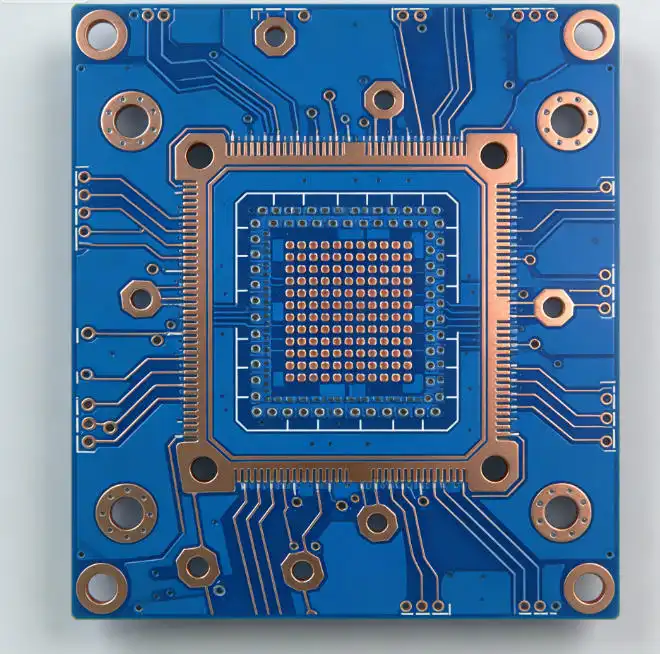
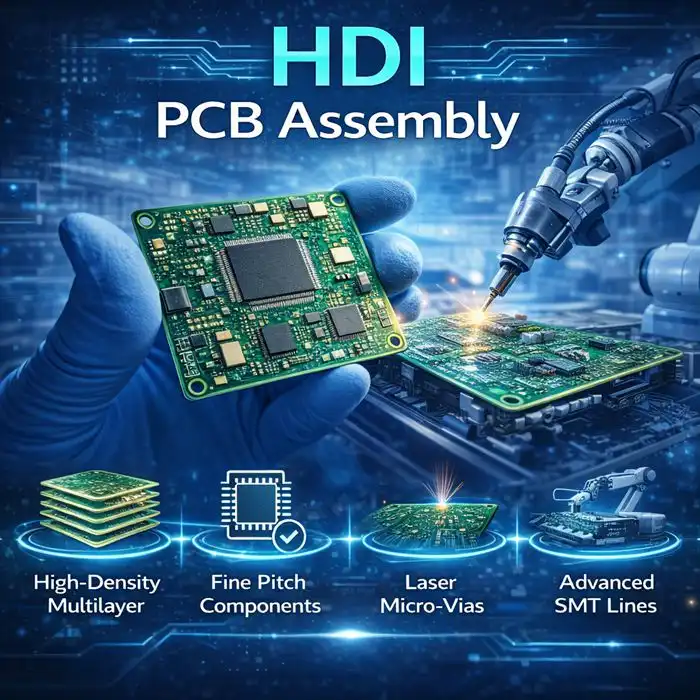
Why Choose Multilayer PCB Assembly for Your Project
Choosing Multilayer PCB Assembly for your electronic products represents a strategic decision that impacts performance, reliability, and long-term success. Modern electronic devices demand sophisticated circuitry that single or double-layer boards simply cannot accommodate. Multilayer technology stacks multiple conductive layers separated by insulating materials, enabling complex routing patterns while maintaining compact form factors. This advanced assembly approach delivers superior signal integrity, enhanced electromagnetic compatibility, and exceptional durability—critical factors for industries ranging from medical devices to automotive electronics. With space constraints becoming increasingly challenging and functionality requirements expanding, multilayer solutions provide the optimal balance of performance, reliability, and cost-effectiveness that procurement managers and engineers require for competitive product development.
Understanding Multilayer PCB Assembly and Its Benefits
Multilayer printed circuit boards are high-tech engineering methods for dealing with the fact that modern electronics are getting more complicated. These systems are made up of three or more layers of conductive copper that are bonded together with prepreg insulating materials. This makes a single structure that can support complex circuit designs that would not work with regular single- or double-sided boards.
Technical Foundation of Multilayer Construction
In the manufacturing process, layers are carefully stacked on top of each other. Each copper layer has a specific job to do, such as distributing power, acting as a ground plane, or directing signals. Modern materials, such as FR-4, polyimide, and special high-frequency laminates, have the insulating qualities that are needed for the best electrical performance. Controlled impedance matching, usually kept within a ±7% range, is needed for the building process to make sure that the signal integrity across all layers.
Modern multilayer boards can be set up with anywhere from 4 to 48 layers. Each extra layer increases the number of route options while keeping the board's size small. Blind and buried vias make interlayer connections work well without taking up important surface space. This lets designers put more components on a chip while keeping the signal quality good.
Key Performance Advantages
When compared to easier options, multilayer systems offer much better electrical performance. Dedicated power and ground lines keep the voltage level fixed and reduce electromagnetic interference (EMI). This setup works especially well for high-frequency uses where the purity of the signal directly affects how the gadget works.
Another big benefit is that it saves space, which lets designs that would need much bigger areas with traditional methods fit into smaller spaces. This miniaturization feature helps makers make smaller, lighter products without sacrificing usefulness. It works especially well for medical devices, automotive control modules, and communication equipment.
The unified design spreads mechanical stress more evenly than multi-board methods, which makes it last longer. This structure stability is very important for applications that are subject to vibration, changing temperatures, or harsh weather conditions. This is why Multilayer PCB Assembly is the best choice for mission-critical applications.
Multilayer PCB Assembly Design Guidelines for Optimal Performance
For multilayer systems to work, electrical, thermal, and mechanical factors that affect performance and dependability must be carefully thought through. When procurement teams understand these design concepts, they can work better with sellers to make sure that project needs are met quickly.
Critical Design Considerations
Layer stack-up planning is the basis of good layered design, and where the power and ground planes are placed has a big effect on how well the signals work and how electromagnetically compatible the design is. To control impedance correctly, you need to do exact trace shape calculations based on dielectric values, copper thickness, and layer spacing. This is something that experienced makers do during the design-for-manufacturing (DFM) review process.
As the number of layers and the quantity of the components go up, thermal control becomes more and more important. Putting thermal vias and copper pour areas in the right places helps get rid of heat efficiently, which keeps performance from dropping and extends the life of the product. Modern thermal analysis tools help designers find possible hot spots before the product is made, which lowers the risk and shortens the development time.
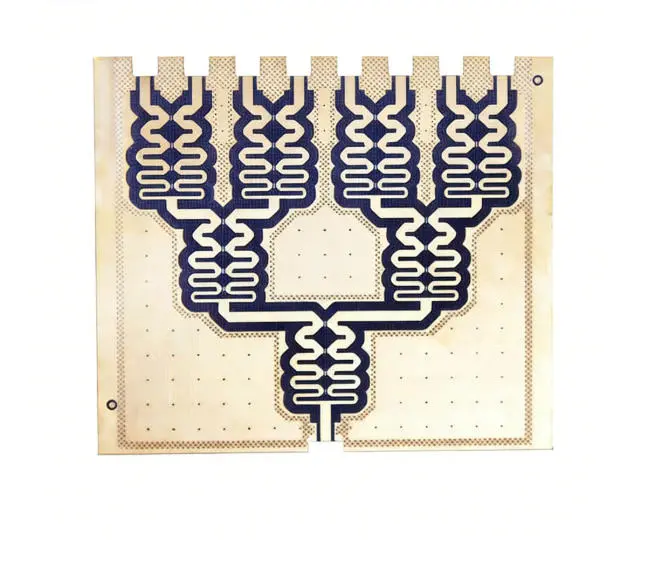
When thinking about signal integrity, you should try to minimize crosstalk by assigning layers correctly and making the spaces between them as big as possible. To keep edge rates stable and reduce mistakes caused by reflections that can affect how well a system works, high-speed digital data need to be carefully routed.
Manufacturing and Testing Challenges
For layered manufacturing to be done well, it needs high-tech tools and strict process control. At different steps of production, automated optical inspection (AOI), X-ray analysis, and in-circuit testing check the quality of the assembly. This makes sure that the results are always the same and meet the requirements of the specifications.
Layer registration precision, via formation quality, and optimizing the soldering process for parts with different temperature needs are all common problems. Expert makers deal with these problems by using tried-and-true process recipes and complete quality control systems that keep defect rates below 0.2%, which is much lower than the average for the industry.
Comparing Multilayer PCB Assembly with Other PCB Assembly Types
By learning about the pros and cons of various PCB technologies, you can make smart choices that balance performance needs with project funds and due dates. Depending on the needs of the application and the limitations of the design, each method has its own benefits.
Multilayer vs. Single and Double-Sided Boards
A single-sided printed circuit board (PCB) is a cheap way to make simple circuits with few parts. This makes them good for basic market goods or training uses. But as the need for usefulness grows, their routing limits become clear quickly, forcing bigger boards or external links that lower reliability.
When compared to single-sided boards, double-sided boards have more routing options and more components per square inch, which means they can support fairly complicated designs while keeping costs low. Even so, they don't have the power distribution and signal integrity performance that are needed for more complex applications, especially those that use fast digital circuits or delicate analog functions. Multilayer PCB Assembly is often required in such cases, as it offers additional layers for improved power distribution and signal integrity.
When complex functionality needs to be fit into a small area, multilayer systems are the best choice. Having whole layers dedicated to power distribution and ground planes gives electrical stability that easier methods can't match. Having multiple signal layers also lets you use complex route patterns that you wouldn't be able to use otherwise.
Multilayer vs. Rigid-Flex and Flexible PCBs
Rigid-flex technology mixes flexible interconnects with multilayer sections. This makes it possible to package things in three dimensions without using traditional wire connections. Even though rigid-flex systems have some mechanical benefits that aren't found in other boards, they usually cost a lot more and take longer to make because they need special manufacturing skills.
Flexible PCBs can bend or fold easily for dynamic uses that need to change to changing conditions. But they usually only support a few layers compared to hard multilayer options, and they might not be able to place components properly or get rid of heat well enough for high-density electronic systems.
Which of these technologies to use depends on the needs of the application. For most electronic goods that need complex functions, multilayer boards offer the best mix of performance, cost, and availability.
Selecting the Best Multilayer PCB Assembly Provider for Your Needs
To find a trustworthy manufacturing partner, you need to carefully look at their technical skills, quality systems, and service offers to make sure they meet your project needs and your long-term business goals. Having the right relationship with your suppliers can have a big effect on how well your product does and how quickly it gets to market.
Essential Evaluation Criteria
Quality standards are a basic way to make sure that a company can make things and that its processes are mature. ISO 9001 approval shows that a basic quality management system has been put in place, while IATF 16949 standards for cars and ISO 13485 standards for medical devices show that the company has specialized knowledge that is useful to regulated industries. IPC-6012 Class 3 compliance makes sure that high-reliability assembly standards are followed, which is important for mission-critical uses.
A supplier's ability to meet changing production rates and schedules depends on how much they can make and how flexible they are. Facilities with specialized Multilayer PCB Assembly lines that work multiple shifts can handle urgent projects while keeping quality standards high. Before committing to mass production, prototype services let you test your idea and lower your risk.
Turnkey Solutions and Service Integration
Comprehensive turnkey services make buying easier by putting together PCB manufacturing, component sourcing, and assembly tasks into the hands of a single provider. This method cuts down on the work needed to coordinate things and gives you better control over costs and schedules than handling multiple providers separately.
Because of ongoing supply chain problems and problems with getting parts, being able to source components becomes even more important. Suppliers who already have relationships with distributors and systems in place to handle their goods can help reduce sourcing risks and keep costs low by buying in bulk.
Technical support services, such as DFM optimization and electricity testing, are very useful because they help find problems early in the creation process. Engineering teams with a lot of experience can suggest changes to designs that make them easier to make, cheaper, and more reliable.
Managing Procurement: Cost, Lead Time, and Logistics for Multilayer PCB Assembly
To be good at buying management, you need to know what affects pricing, scheduling, and delivery performance and be able to come up with methods that get the best results for the project while staying within the budget and time limits.
Cost Structure and Pricing Factors
The main thing that affects the cost of multilayer structures is the number of layers. As the number of layers rises, the complexity rises exponentially instead of steadily. Costs of materials, cutting time, and processing time all go up with the number of layers. This means that early talks about layer optimization can help with budget planning.
Unit prices are affected by board size and panel utilization in a big way, especially for smaller assemblies where bigger panels can make more than one unit at the same time. Expert suppliers make sure that panel layouts are optimized to keep processing processes running smoothly and lose as little material as possible.
Both unit pricing and minimum order numbers are affected by volume. Usually, as the order size goes up, the price goes down gradually. Knowing these break points helps buying teams make the best decisions about when and how much to order while keeping inventory levels at a healthy level.
Lead Time and Logistics Management
Multilayer PCB Assembly usually takes two to four weeks, but this depends on the number of layers, the supply of parts, and the supplier's capacity. Many of these times can be cut down by a lot with rush services, but they usually come with higher prices.
Getting the parts is often the part with the biggest lead time, especially for parts that are unique or hard to find. Early planning and pre-ordering of parts can help keep project freedom while reducing schedule risks.
Global transportation skills guarantee reliable supply performance no matter where the project is located. With established shipping relationships and customs dealing experience, transit delays are kept to a minimum, and tracking information is available at all times during the delivery process.
Conclusion
For modern electronic goods that need complex functions in a small package, Multilayer PCB Assembly is the best option. Because it has better electrical performance, uses less room, and is more reliable, multilayer technology is needed to make products that are competitive in many fields, from medical devices to car electronics. Knowing about design principles, how to evaluate suppliers, and the best ways to buy things lets you make smart choices that improve project results while keeping costs and plans in check. As electronics keep getting smaller and more complicated, layered assembly technology is what makes new products possible and helps them do well in the market.
FAQ
What factors influence multilayer PCB assembly costs?
The number of layers is the main factor that affects costs. As more layers are added, costs go up dramatically because more materials are used, handling is more complicated, and testing is needed. Board size, component density, and volume numbers also have a big effect on prices. Specialized materials or needs for tight tolerances can make prices go up even more.
How do multilayer PCBs improve reliability compared to simpler alternatives?
The multilayer design gives power and ground lines that are separate from each other. This makes the electrical stability better while lowering electromagnetic interference. The single structure spreads mechanical stress better than multi-board methods, and better thermal management keeps parts from getting too hot, which can hurt their long-term stability.
What certifications should I look for when selecting a multilayer PCB supplier?
For quality management, ISO 9001 is an important certification. For car uses, IATF 16949 is a standard, and for medical devices, ISO 13485 is the standard. IPC-6012 Class 3 compliance makes sure that high-reliability assembly standards are followed, and environmental approvals like RoHS show that a company is committed to following the rules.
How long do multilayer PCB assembly projects typically take?
Lead times usually last between two and four weeks, but this depends on the number of layers and how complicated the design is. Availability of parts is often what takes the longest. Rush services can cut down on wait times by a lot, and some sellers offer fast choices that bring finished assemblies within a week for jobs that need to be done quickly.
Partner with Ring PCB for Superior Multilayer PCB Assembly Solutions
Ring PCB Technology offers full Multilayer PCB Assembly making services backed by 18 years of experience in the field and a track record of high performance. Our state-of-the-art 10,000-square-meter building can handle complex setups with anywhere from 2 to 48 layers. It has cutting-edge tools like LDI laser exposure systems and automatic optical inspection technology that keeps defect rates below 0.2%. We make it easier for you to buy things by offering full turnkey services that include PCB manufacturing, component buying, and assembly.
We also guarantee the highest quality and dependability. Our 24/7 production and expedited service choices make delivery times much shorter than the norm in our business. Our extensive ISO certifications, which include ISO9001, IATF16949, and ISO13485, show that we are dedicated to meeting the highest quality standards. Get in touch with our engineering team at [email protected] to talk about your project needs and see the benefits of working with a reliable multilayer PCB assembly provider.
References
1 oombs, Clyde F. "Printed Circuits Handbook, Seventh Edition." McGraw-Hill Education, 2016.
2. Blackwell, Glenn R. "The Electronic Packaging Handbook." CRC Press, 2018.
3. Institute for Printed Circuits. "IPC-6012 Qualification and Performance Specification for Rigid Printed Boards." IPC International, 2018.
4. Mahajan, Ravi. "Thermal Interface Materials in Electronics: Challenges and Future Directions." Electronics Cooling Magazine, Vol. 25, No. 3, 2019.
5. Riemer, Daniel E. "Introduction to Printed Circuit Board Design and Manufacturing." McGraw-Hill Professional, 2017.
6. Association Connecting Electronics Industries. "High Frequency Design Guide for PCBs." IPC Technical Report, 2020.

Welcome to Ring PCB! Share your inquiry, and receive a tailored quotation!

Ring PCB, your trusted partner for PCB & PCBA Full Turnkey Solutions