A Buyer‘s Guide to SMT PCBA Manufacturing in Asia
Electronics companies all over the world are now making the smart choice to find SMT PCBA manufacturing services in Asia. Traditional through-hole methods can't compare to Surface Mount Technology assembly when it comes to component density, electrical performance, and cost savings. Asian makers, especially those in China, Vietnam, and Malaysia, offer reasonable prices and high-tech automation, which makes them perfect partners for projects ranging from making quick prototypes to mass production. Learning how to get around in this environment can make your supply chain work better and improve the quality of your products.
Understanding SMT PCBA Manufacturing: Fundamentals and Advantages
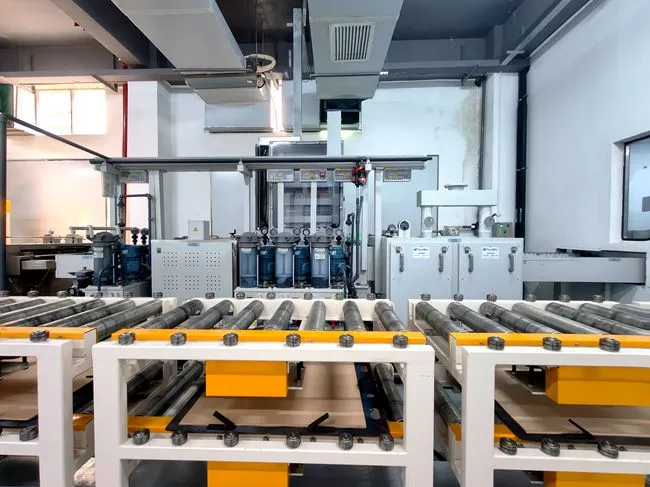
Surface Mount Technology changes the way electronic parts are attached to circuit boards in a basic way. In contrast to through-hole assembly, SMT puts parts directly on board surfaces, which allows for smaller sizes and better signal integrity.
The SMT Assembly Workflow
First, solder paste is put on using precise cutouts to make sure that the right amount of paste is put on each pad. Then, automated pick-and-place tools place the parts with a level of accuracy measured in microns. Controlled heat profiles are used in reflow ovens to melt solder paste and make lasting metal links. Lastly, testing tools check the quality of the joints and where the parts are placed. This process works with parts as small as 01005 packages, which lets you make designs that wouldn't be possible with older ways.
Material Selection and Quality Standards
These days, SMT methods use lead-free solder alloys that follow RoHS rules. This makes sure that environmental rules are followed in all places around the world. High-temperature laminates, such as FR-4 TG170, keep their temperature stable over many reflow cycles. In harsh settings, conformal coats keep parts safe from water and dirt. When failure rates have to stay below strict levels in medical devices, car electronics, and industrial control systems, these material choices have a direct effect on how reliable the products are.
Asia's Competitive Position
Asia's manufacturing hubs have put a lot of money into technology and good facilities. IPC-A-610 Class 3 standards are used in facilities. This is the best level of reliability for mission-critical uses. The mature supply lines in the area cut down on the time it takes to get parts, and economies of scale make it much cheaper per unit than in the West. Zero-liquid-discharge systems and solar-powered production lines are examples of environmental efforts that address climate concerns that are becoming more and more important in purchasing decisions.
Key Factors to Consider When Choosing SMT PCBA Manufacturers in Asia
There are more factors than just prices that need to be considered when choosing a factory partner. Your provider becomes an extension of your engineering team, which has a direct effect on the quality of your products and the time it takes to get them to market. This is especially true when working with SMT
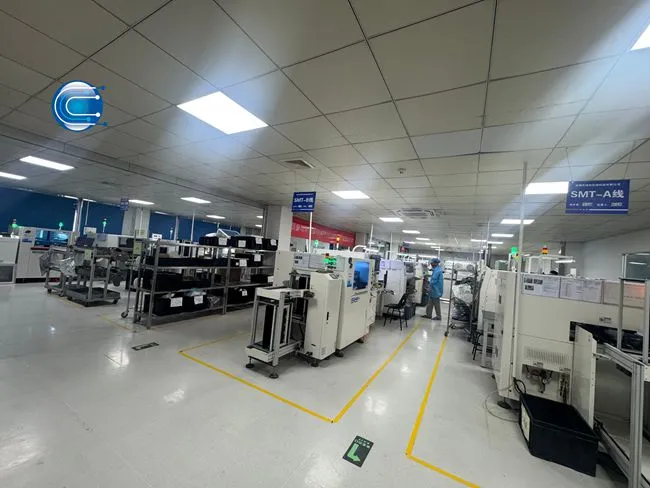
, where precision and efficiency are crucial to success.
Quality Certifications and Standards
Manufacturers with a good reputation have ISO 9001 certification, which shows that they handle quality in a structured way. IATF 16949 certifies methods for the car industry, while ISO 13485 shows that you can put together medical devices. UL approval for certain types of boards adds to the confidence. During supplier checks, look at how paperwork is done, how tools are used to track items, and how corrective action is taken. Manufacturers who have strong quality control systems always do better than those who don't have any written certifications.
Production Capabilities and Scalability
Check to see if the tools can handle the whole range of production you expect. Can the facility handle 0201 parts and BGAs that need a fine pitch? If you want to serve a wide range of customers, do they offer both lead-free and lead-based processes? Production capacity is just as important—a partner who can't increase production when demand goes up causes bottlenecks. Look for companies that have more than one SMT line and have shown they can switch between making prototypes and mass production without affecting quality or schedules.
Cost Structure Transparency
Figuring out what a price means helps you find its real value. Setup fees pay for making stencils and writing them, and tooling fees pay for testing fittings. Different sellers add very different markups on purchasing parts. Some add 20–30% margins, while others use single-digit numbers. Volume savings usually start to apply at certain number levels. To make an accurate comparison between possible partners, you should ask for specific quotation breakdowns that compare piece price, one-time engineering costs, and shipping terms.
Supplier Reliability Assessment
The track record of a manufacturer talks stronger than any ads. Ask clients in your business for examples and be clear about what you want to know about their on-time delivery rates, defect rates per million opportunities, and how quickly they respond to quality problems. Online platforms and business sites let people give comments about how well suppliers are doing without any filtering. Also, make sure the business is financially stable by checking its license, how long it has been open, and whether it owns or rents its buildings. Partnership risks are smaller with well-known makers that have stable management teams.
Comparing SMT PCBA Manufacturing Options: Asia vs. Other Regions and Alternatives
When making decisions about global sourcing, you have to weigh technology skills against economic and geographical factors. Each way of making things has its own benefits that make it better for certain business situations. For instance, SMT PCBA manufacturing offers high precision and scalability, making it ideal for high-volume production with stringent quality requirements.
SMT Versus Through-Hole Technologies
Connectors and heavy transformers are two examples of parts that are put under a lot of physical stress. Through-hole assembly gives these parts more mechanical power. In aerospace and automobile uses, the bigger solder joints can handle vibrations better. Through-hole, on the other hand, reduces the number of circuits that can be used and needs more board space. With SMT, you can put together things on both sides, which greatly increases the useful complexity per square inch. Through-hole technology is only used for high-stress mechanical connections and surface mount technology (SMT) is used for integrated circuits and passive components in most current designs.
Geographic Manufacturing Comparisons
Asian factories can save 40 to 60 percent on labor costs compared to those in North America or Europe. As a result of the fact that most electrical parts are made in Asia, they are easier to find and cost less to buy. Shipping times have been cut down thanks to better logistics. For example, completed boards can be sent from China to the U.S. in 5–7 days by fast air freight. Western manufacturers respond by being closer, communicating more quickly, and making quality checks easy. This makes them a good choice for designs that need to be very careful or projects that need to make a lot of technical changes.
In-House Assembly Versus Outsourcing
It makes sense to add internal assembly skills when the amount of output justifies buying new equipment and you know a lot about how the process works. Depending on how complicated it is, the breakeven point is usually between 50,000 and 100,000 units per year. Below these numbers, contract producers are more cost-effective because they share the costs of infrastructure. When suppliers handle shipping, testing, procurement, and assembly as part of turnkey services, there is only one person responsible for everything. This makes internal planning easier and lets engineering teams focus on developing core products instead of factory operations.
Common Challenges and How to Avoid Defects in SMT PCBA Manufacturing
A lot of the time, problems with quality in surface mount assembly are caused by design choices that were made a long time before production started. Understanding how failures happen lets you take steps to stop problems before they happen during production instead of finding them after the fact. For example, with SMT PCBA manufacturing, optimizing component placement and ensuring proper trace routing in the design phase can significantly reduce the risk of defects and improve overall assembly quality.
Typical SMT Defects and Root Causes
When extra paste runs between two pads next to each other, making a short circuit, this is called solder bridging. Some things that can cause this are using the wrong stencil opening size, applying too much squeegee pressure, or not leaving enough space between the pads. When heating isn't even, one end of a component lifts vertically, breaking the link with the other end. This is called tombstoning. Small inactive parts are especially vulnerable. Misaligned parts happen when the placement force is wrong, the boards are twisted, or the pads aren't wet enough. Each type of flaw is linked to a different set of process factors that need to be improved.
Design for Manufacturability Principles
Good DFM standards stop problems before they happen during production. For normal processes, keep the minimum pad spacing at 0.2 mm. For high-reliability uses, raise it to 0.3 mm. Component direction should follow regular patterns, which will cut down on mistakes in placing. Don't put parts near the edges of the board, where they are more likely to get damaged during handling. When you join, thermal relief designs on the ground planes stop heat sinking. Manufacturers who offer DFM reviews compare designs to the capabilities of their own tools. This finds possible problems early on, when changes are still cheap.
Inspection Technologies and Quality Assurance
Automated Optical Inspection devices look over every assembly at speeds of more than 50 components per second to find lost parts, polarity mistakes, and solder flaws. An X-ray shows the quality of the solder joints that are hidden under BGAs and other parts that have links that can't be seen. Flying probe testing checks for electrical continuity without having to make expensive custom tools. It's great for testing prototypes and small amounts of products. Manufacturers should use more than one inspection step. For example, post-paste inspection finds stenciling issues before the components are placed, and post-reflow inspection finds problems with the soldering.
Asian producers who care about quality keep failure rates below 200 DPPM, which is the same as or better than the performance of Western facilities. To reach this goal, the process must be carefully controlled, the tools must be regularly calibrated, and operators must be continuously trained. When looking at providers, find out what their quality standards are, how often they check, and what they do with material that doesn't meet their standards. Strong quality systems have steps for finding the root cause of a problem and fixing it so that it doesn't happens again.
How to Engage with SMT PCBA Manufacturers in Asia: From Inquiry to Order
Find out how to work with SMT PCBA manufacturing partners in Asia, from making an inquiry to placing an order. Clear conversation and shared understanding of needs are the first steps to building good relationships with suppliers. Structured engagement methods help clear up confusion and build the basis for long-lasting relationships.
Preparing Technical Documentation
The maker part names, not general descriptions, must be written in the Complete Bill of Materials. To avoid delays, include alternatives for parts that take a long time to get. The RS-274X format for Gerber files should be used, and there should be different layers for copper, soldermask, silkscreen, and drill information. Give assembly sketches that show the orientation of the parts, especially polarized parts and connections. Assumptions that are too expensive to test are avoided by having detailed manufacturing notes that cover stackup, impedance standards, and surface finish. The more information you have, the more correct your first quotes will be.
Understanding Quotation Components
Line things that are clearly split are part of transparent pricing. The cost of making a PCB depends on the number of layers, the size of the board, and the number of boards that are made. Most of the time, setup fees, placement costs per part, and hand-assembly extra for through-hole parts make up assembly charges. You can get quotes for buying parts as cost-plus with a certain markup rate or as bundled price. The cost of testing depends on how complicated it is. For example, a simple visual check costs less than functional testing that needs special fixtures. Costs go up when you add shipping and security. You can find out where the value is and where cost-cutting possibilities are by asking for detailed quotes.
Contract Manufacturing and Turnkey Services
With a turnkey deal, the maker takes care of the purchasing, which makes managing vendors easier. Because they buy in bulk, your seller can often get parts for less money than you could get them on your own. It's best to use this method for well-known designs with stable bill of materials. When you provide the parts for consigned manufacturing, you have more control over the process and can see the prices more clearly, but you have to manage several sources yourself. You get important or long-lead parts from a hybrid model, while the maker takes care of common parts. This gives you control and ease of use.
Protecting Intellectual Property
Before sharing scientific information, people should sign non-disclosure agreements. Make it clear who owns the tools, parts, and test programs that were made during production. Before sending files around the world, you might want to register your ideas in the right places. Manufacturers with a good reputation see intellectual property (IP) security as an important part of doing business, but formal deals set clear limits. For ideas that need to be kept secret, production should be spread out among several sources so that no one partner has full product information.
Building agreements is more than just making deals with other people. Informing providers on a regular basis about changes to forecasts helps them plan their capacity and get parts ahead of time. Sharing product roadmaps lets companies buy the right tools for the job. Visiting sites shows dedication and helps people get to know each other. Asian producers often see long-term agreements as ways to work together to improve things, with both sides investing in the success of the other.
Conclusion
To find your way around SMT PCBA manufacturing in Asia, you need to know the technical skills, quality systems, and business practices that set great providers apart from average ones. The area has strong benefits in terms of cost structure, output scalability, and the maturity of the component environment. For procurement to go well, certifications, output skills, and seller track records must all be carefully looked at. Partnerships that improve product quality and lower total ownership costs are formed through clear documentation, open communication, and organized interaction methods. Companies that take the time to choose the right suppliers and build relationships with them gain a competitive edge through stable, cost-effective manufacturing that can grow with the company.
FAQ
Q1: What are typical lead times for SMT PCBA projects in Asia?
A: Lead times depend on the size and difficulty of the job. Ten to fifty prototypes usually need seven to ten days after the order is confirmed, which includes making the PCBs and putting them together. Usually, it takes 15 to 20 days to make 500 to 5,000 units. Large orders of more than 10,000 units may take 25 to 30 days longer, based on how quickly the parts can be sourced.
Q2: How can I ensure quality when working with overseas manufacturers?
A: Quality assurance requires multiple levels of proof are needed for SMT PCBA manufacturing. Instead of taking copies at face value, check seller approvals with the groups that issued them. For new designs, you should ask for first article inspection reports that show how well the wiring and size measurements work. Set up rules for incoming inspections at your plant for the first batches of output. Before they are shipped, third-party testing services can check the production process and the finished products.
Q2: Is small-batch production economically viable in Asia?
A: Small-batch costs have gotten a lot better as companies realize the benefits of prototypes and low volumes. When setup costs are spread out over fewer units, the price of each piece goes up, but because of lower labor rates, overall project costs are often still lower than Western options. A lot of Asian suppliers now let you order as few as 5–10 samples, which is a variable minimum order quantity. When you're working with small amounts, turnkey services are especially helpful because they save you the trouble of finding parts.
Partner with Ring PCB for Reliable SMT PCBA Manufacturing Solutions
Your reliable PCB manufacturer, Ring PCB Technology Co., Limited, has 18 years of specialized experience and offers full turnkey solutions from our 10,000-square-meter factory. Our SMT PCBA manufacturing skills cover 2-48 layer circuit boards with high-tech features like 3/3mil trace spacing, ±7% impedance control, and blind/buried vias. These boards meet the strict needs of medical devices, car electronics, and industrial control systems.
We have many foreign certificates, including ISO 9001, ISO 13485, IATF 16949, and RoHS compliance, which make sure that every assembly meets the highest quality standards. Our three-shift, 24/7 production plan lets us offer solutions at reasonable prices and much faster turnaround times than the norm in the industry. Automated inspection systems like AOI, X-ray testing, and flying probe verification keep error rates below 0.2%, which is a lot better than the average of 1% in the business.
Our full turnkey service includes making the PCB, getting the parts from reliable sources, putting them together with precision SMT, and checking their functionality. All of this is done under one roof, which streamlines your supply chain and makes teamwork easier. Our engineering team uses DFM optimization to find ways to cut costs and stop problems before they happen. Get personalized quotes from our team at [email protected] and learn how our fully integrated method can improve the quality of your product while cutting down on the time it takes to get it to market.
References
1. Chen, W. (2021). Surface Mount Technology: Principles and Practice. Electronics Manufacturing Press.
2. International Electronics Manufacturing Initiative. (2022). Global PCB Assembly Market Analysis: Regional Capabilities and Trends. INEMI Research Report.
3. IPC Association Connecting Electronics Industries. (2020). IPC-A-610H: Acceptability of Electronic Assemblies. IPC Standards Publications.
4. Liu, S. and Zhang, H. (2023). Quality Management in Asian Electronics Manufacturing. Journal of Electronic Manufacturing, 33(2), 145-167.
5. Nguyen, T. (2022). Comparative Analysis of Global PCBA Manufacturing: Cost, Quality, and Lead Time Factors. International Journal of Production Economics, 241, 108-124.
6. Wong, K. (2023). Design for Manufacturability in Surface Mount Technology: Best Practices and Case Studies. IEEE Transactions on Components, Packaging and Manufacturing Technology, 13(4), 567-582.

Welcome to Ring PCB! Share your inquiry, and receive a tailored quotation!

Ring PCB, your trusted partner for PCB & PCBA Full Turnkey Solutions